
A broken product can look like something to discard. After a serious injury, however, the actual item may be important evidence. In this video, California personal injury attorney Norman Gregory Fernandez explains why you should discuss preservation before throwing away, repairing or returning a potentially defective product.
Why the actual product matters
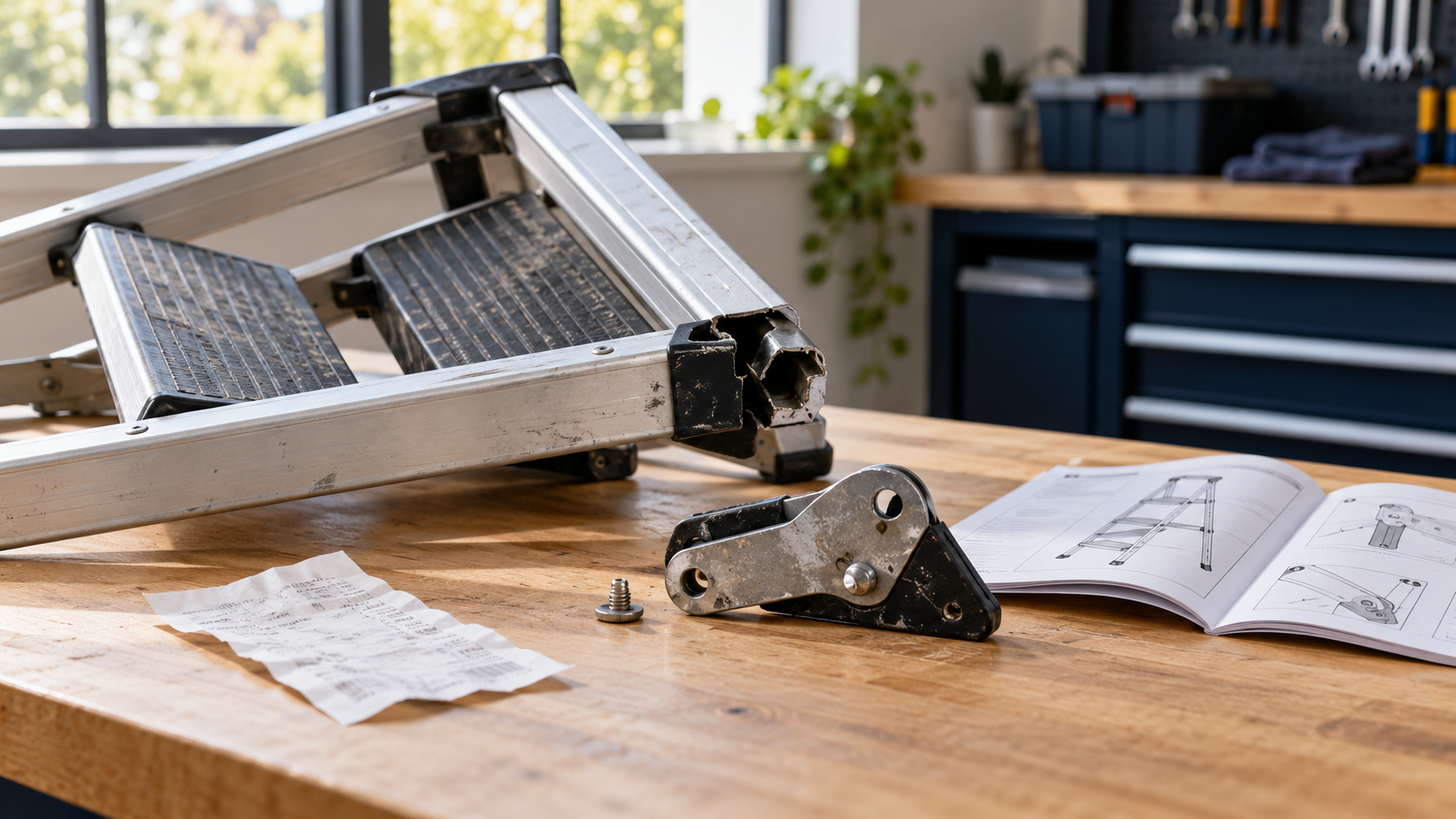
A photograph can record what a product looked like, but it may not reveal why a hinge separated, a component fractured or a safety feature failed. An appropriate expert may need to examine the item, its parts and the surrounding circumstances. Preserving it does not establish a defect; it gives the investigation a better opportunity to evaluate competing explanations.
The same principle applies to ladders, chairs, appliances, tools and recreational equipment. A product may have been damaged during the incident rather than before it. Its condition, maintenance history and manner of use all deserve careful review.
Keep the pieces and identifying information
If it can be done safely, retain the product and separated pieces, packaging, instructions and warnings. Keep receipts, order confirmations, model and serial numbers, photographs and any communications with the seller. Record where the item is stored and who has handled it.
Photograph the scene and visible condition without staging a demonstration. Save original files. If the product belongs to an employer, business or another person, tell your attorney promptly rather than taking property without permission.
Avoid changing the evidence
Do not automatically repair, dismantle, modify or test the product. Testing can alter evidence, and some examinations require a coordinated process. Before returning it to a retailer, shipping it to a manufacturer or accepting a replacement, discuss how the original item will be preserved and documented.
Safety comes first. Do not use a dangerous item again to recreate what happened. Do not keep a leaking battery, fuel source or other hazardous item in an unsafe place merely to preserve evidence. Obtain appropriate safety assistance and tell your attorney about the hazard and any necessary steps taken.
Preservation is one part of the investigation
A potential products liability claim may involve manufacturing, design, or warnings and instructions. The investigation also needs to address how the product was used, what caused the injury and which businesses were involved. A malfunction alone does not resolve every issue, and using an item correctly does not by itself establish a particular defect.
Keep medical records and describe the incident accurately to treating providers. Preserve proof of time missed from work and related expenses. Avoid guessing about technical causes or posting accusations online before the evidence has been evaluated.
Get advice before the item disappears
Contact an attorney promptly after a serious product-related injury. Explain whether the item is still available, whether someone has requested its return, and whether any repairs or inspections are planned. Do not assume an insurance discussion, warranty process or replacement offer extends the time to bring a claim.
General information, not legal advice. Each matter depends on its facts and applicable law. Viewing this article does not create an attorney-client relationship.
Get Help Now
Work directly with an experienced California personal injury attorney. Call 800-816-1529 for a free consultation about a serious injury involving a potentially defective product.
 About Attorney Norman Gregory Fernandez