

Nobody saw you fall. That can make a California injury claim harder to investigate, but it does not automatically answer whether the claim can be proved. The investigation should consider your own account, the condition of the property, available recordings and people who observed something relevant before or after the incident.
In this video, attorney Norman Gregory Fernandez explains why the useful question is often: What evidence did the accident leave behind?
Start with what you actually remember
Write down the location, approximate time, direction you were walking and what you felt or observed. Distinguish what you personally saw from what someone later told you. If you do not know what caused the fall, say so. Guessing at a cause can create problems when other evidence is reviewed.
Preserve your original photographs, messages and notes. Do not edit images to make a condition look more dramatic or post an accident reconstruction online. Details such as a receipt or a message sent immediately afterward may help establish the timeline.
A witness may have seen the condition rather than the fall
Someone may have noticed a spill shortly before you arrived, heard an employee discuss a broken fixture or helped you afterward. That person may have useful information even without seeing the moment you lost your balance.
Keep names and contact information if you can obtain them safely. Record each person’s own words without coaching them. A witness to the aftermath cannot necessarily establish what caused the fall, so the limits of each observation matter.
Video and photographs can provide context
Tell your attorney about visible cameras and the exact area involved. A recording may show the incident, earlier activity in the aisle or inspections. It may also show something unfavorable to the claim. Preserve the full context rather than assuming a short clip tells the whole story.
Ask promptly about preservation because recordings can be overwritten. A request does not guarantee footage exists or that it will be provided voluntarily. Do not enter restricted areas or return to a dangerous condition to obtain evidence.
Inspection records and notice still matter
Proving that you fell is different from proving a property operator acted negligently. Depending on the facts, the investigation may address who created the condition, who knew about it and whether reasonable care should have led to its discovery.
The Judicial Council’s California civil jury instructions, including CACI 1011, address the circumstances and time available to discover a dangerous condition. Inspection and maintenance records may therefore be relevant. An injury alone does not establish a failure to use reasonable care.
Keep medical and practical records
Seek appropriate medical attention and accurately describe what happened and your symptoms. Keep treatment records, bills, receipts and documentation of missed work. These records may help address the timing and effects of an injury, but a medical bill does not by itself prove responsibility for the fall.
Preserve the shoes and clothing worn during the incident and discuss their condition with your attorney. Keep any incident-report number and communications with the business or insurer. Do not assume reporting the incident or discussing insurance extends a filing deadline.
No eyewitness does not mean guaranteed recovery, and it does not mean automatic defeat. A careful review should identify what evidence exists, what remains uncertain and whether the required elements can be supported. Call our office for a free consultation about a serious California fall injury.
General information, not legal advice. Every claim depends on its facts and applicable law. Viewing this article does not create an attorney-client relationship.
Get Help Now
Work directly with an experienced California personal injury attorney. The Law Office of Norman Gregory Fernandez & Associates represents injured people statewide. Call 800-816-1529 for a free consultation or contact our office.
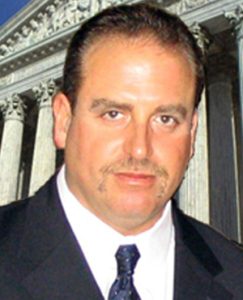 About Attorney Norman Gregory Fernandez