
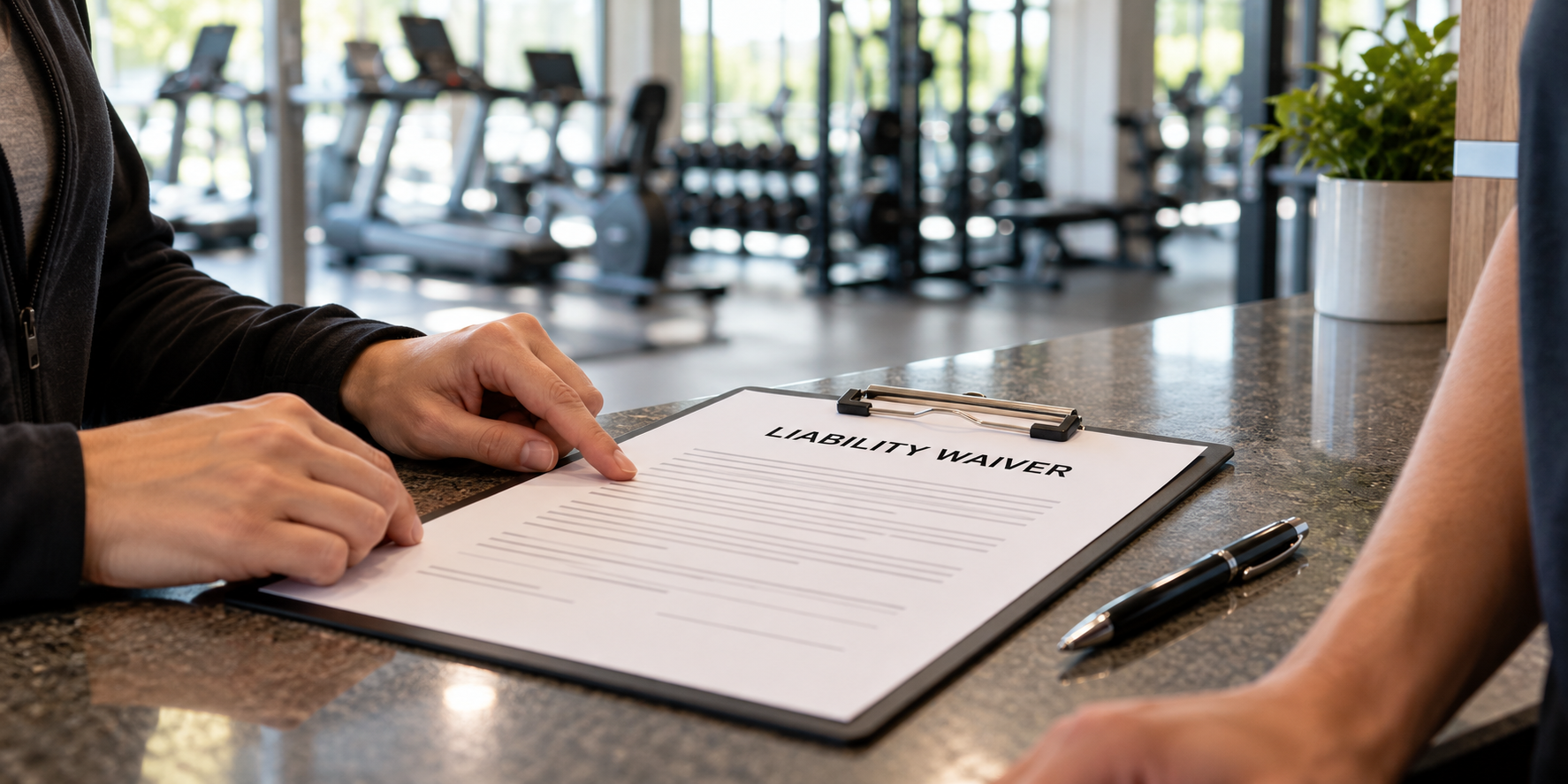
If you signed a liability waiver in California before an activity and were later injured, preserve the document and get a case-specific review. A waiver can be a serious obstacle to recovery. Its effect depends on the language, the activity, the parties and the conduct involved.
In this video, attorney Norman Gregory Fernandez explains why signing a form should not be the only fact considered when evaluating an injury claim.
Get the complete document
Keep every page, not just the signature page. Save related terms, confirmation emails and any electronic record showing what you accepted. If the form was signed online, preserve the available version and the date of acceptance.
Tell your attorney who signed, the circumstances and whether you received a copy. Do not alter the document or assume that a later version on a business website is identical to the one you signed.
Read the scope of the release
The review may consider which people or businesses the agreement protects, what activity it addresses and what claims it purports to release. The exact wording matters. A heading that says “waiver” is not a complete explanation of the agreement’s legal effect.
Give your attorney an accurate account of the incident. A comparison between the agreement and the actual activity is more useful than a general statement that you signed something at check-in.
The nature of the conduct may matter
California law distinguishes ordinary negligence from gross negligence in evaluating certain releases. In City of Santa Barbara v. Superior Court, the California Supreme Court explained that a sports or recreational agreement purporting to release future gross negligence generally is unenforceable as a matter of public policy.
That does not mean every serious accident establishes gross negligence. The severity of an injury and the legal character of someone’s conduct are different questions. Evidence must support the applicable claim.
Preserve the condition and activity evidence
Keep photographs, incident reports, witness information and communications about the event. Save instructions, warnings and booking records. If equipment was involved, tell your attorney where it is and whether it has been repaired or removed.
Do not test a suspected defect or recreate an accident. Record what you observed and what others told you, clearly distinguishing the two. Earlier complaints or maintenance information may require investigation.
A waiver review does not replace proving the case
Even if a release does not bar a claim, responsibility, causation and damages still need proof. Obtain appropriate medical care and keep treatment records, bills, receipts and documentation of missed work.
Bring any additional settlement release to your attorney before signing. A form presented after an injury may serve a different purpose from the agreement signed before the activity. Do not assume that insurance discussions preserve every deadline.
Our office offers a free consultation about California injury claims involving waivers. We can discuss the document and the circumstances before a decision is made about possible representation.
General information, not legal advice. Enforceability and recovery depend on the agreement, facts and applicable law. Viewing this article does not create an attorney-client relationship.

Get Help Now
Work directly with an experienced California personal injury attorney. The Law Office of Norman Gregory Fernandez & Associates represents injured people statewide. Norman Gregory Fernandez has practiced law since 1997. Call 800-816-1529 for a free consultation or contact our office.
 About Attorney Norman Gregory Fernandez