

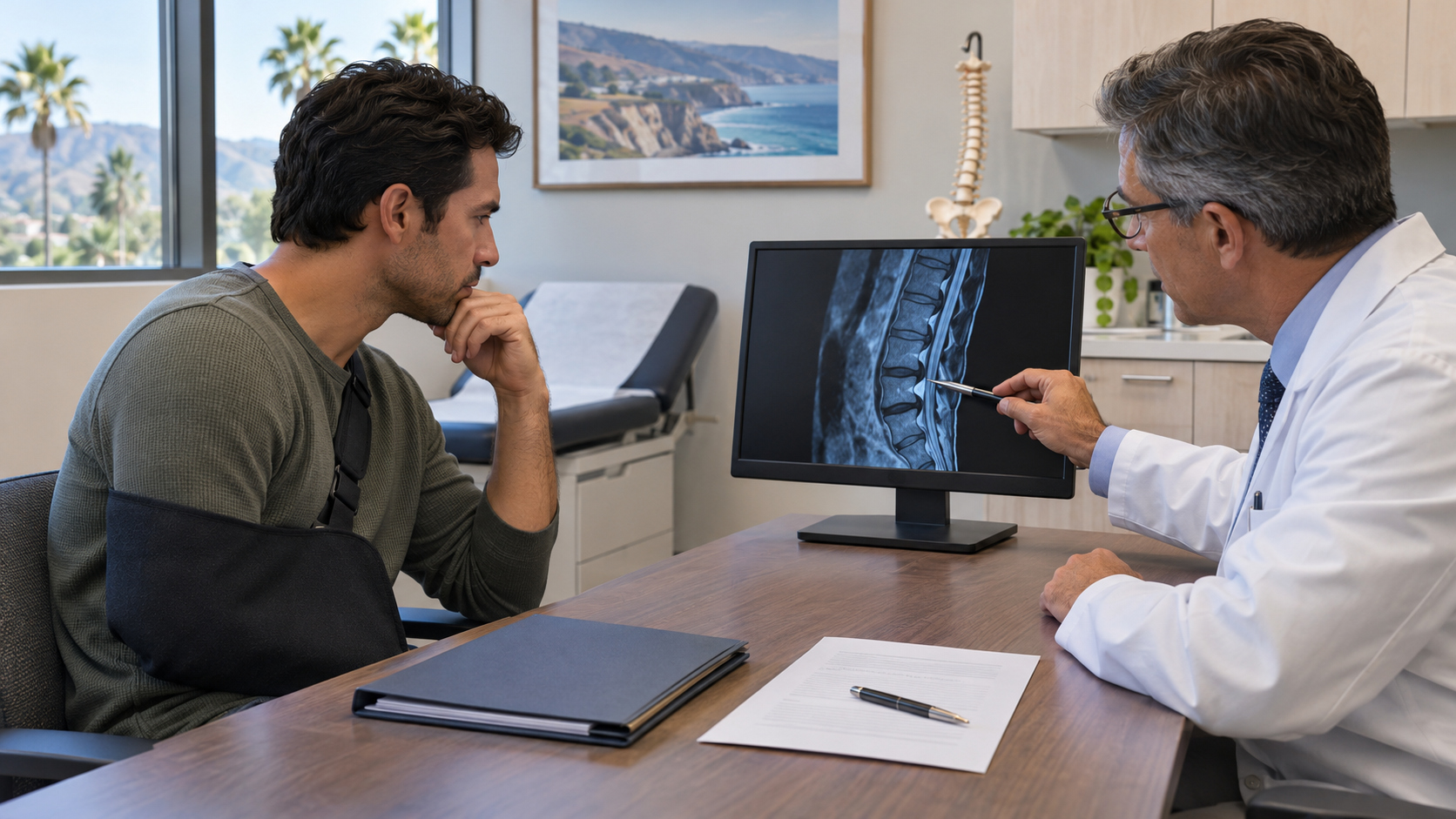
If your doctor says surgery may be needed after an accident, pause before accepting a final settlement. You do not always have to undergo surgery before settling, but you should understand your diagnosis, prognosis, reasonably anticipated treatment, the release terms, and the evidence supporting your losses. A final release can end the claims it covers, even if your condition later worsens.
In this video, California personal injury attorney Norman Gregory Fernandez explains what to consider when an adjuster makes an offer while surgery is being discussed.
Why settling before you understand your medical future can be risky
An insurance settlement usually requires you to sign a release. The release’s wording determines which claims are resolved. A broad release may cover injury-related claims arising from the accident, including conditions or losses that become clearer later. California Civil Code sections 1541 and 1542 address releases and unknown claims. Some settlement documents expressly waive section 1542 protections. Read the actual release and understand what it covers before signing.
If you settle and later learn that surgery is necessary, you generally cannot return for more money for claims covered by the release just because the injury proved more serious than expected. The exact result depends on the agreement and circumstances, so do not assume a release preserves future claims unless it clearly says so.
You may not need to have surgery before resolving your case
A surgery recommendation does not automatically mean you must have the procedure before settlement. A doctor may recommend surgery, discuss it as one option, or explain that it may become appropriate if other treatment fails. The key is to understand what your treating providers actually believe about the diagnosis, medical necessity, likelihood, timing, alternatives, risks, recovery, and expected outcome.
California’s Judicial Council instruction on future medical expenses says a plaintiff must prove the reasonable cost of reasonably necessary care that the plaintiff is reasonably certain to need in the future. A possible procedure is not automatically a recoverable expense; the supporting medical evidence matters. See CACI No. 3903A in the 2026 California Civil Jury Instructions.
What to evaluate before accepting an offer
- Medical prognosis: Ask what recovery is expected to look like and whether the condition is stable, improving, or likely to require more care.
- Surgery and alternatives: Clarify whether a procedure is recommended, how likely it is to be needed, what alternatives exist, and what the recovery may involve.
- Future medical costs: Consider reasonably anticipated treatment, hospital and surgeon charges, anesthesia, rehabilitation, medications, follow-up care, and related services.
- Work and daily life: Discuss the potential effect on time away from work, future earning ability, pain, mobility, and activities you did before the accident.
- Proof: Identify what medical records, physician opinions, cost information, or expert analysis supports the claimed future losses.
- Release terms: Determine exactly which people, claims, injuries, and future rights the settlement document releases.
Practical steps while you are deciding
Continue following appropriate medical advice and keep appointments. Ask your provider to explain the recommendation and expected course of care in plain language. Keep copies of medical records, imaging reports, work restrictions, bills, and treatment plans. Write down how the injury affects ordinary activities and employment. Do not rely only on an adjuster’s estimate of what future care will cost, and do not sign a release you do not understand.
A settlement may still make sense when future treatment is possible. But the decision should be based on the evidence, the available coverage, the risks and benefits of settling, and the rights surrendered under the release. An attorney can help evaluate the claim and work with treating providers or appropriate experts when needed. No one can guarantee that a particular future expense or amount will be legally recoverable.
Frequently asked questions
Can I settle a personal injury case if surgery has only been discussed?
Sometimes. First clarify whether surgery is a definite recommendation, a conditional option, or only a possibility. Review the medical evidence and release terms before deciding whether the proposed amount fairly accounts for the known and reasonably supported losses.
If I need surgery later, can I reopen my settlement?
Usually, a final release prevents additional recovery for claims it covers. Whether a particular claim was released depends on the document and circumstances. Do not assume you can reopen a settlement simply because your condition changes.
Does a doctor’s surgery recommendation prove the future cost of treatment?
Not by itself. The recommendation, medical basis, likelihood and timing of treatment, reasonable cost, and other evidence all matter. California law requires adequate proof of future damages.
This article provides general information, not legal or medical advice for a specific person. Every injury claim and release is different.

Get Help Now
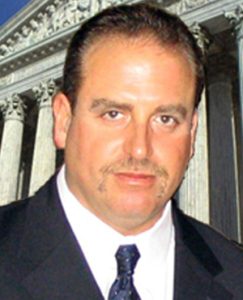
Work directly with an experienced California personal injury attorney. The Law Office of Norman Gregory Fernandez & Associates represents injured people statewide. Norman Gregory Fernandez has practiced law since 1997, with nearly three decades of experience. Our firm is not a settlement mill. Call 800-816-1529 for a free consultation or contact our office.
 About Attorney Norman Gregory Fernandez