
Yes. If you’re self-employed and someone else’s negligence injures you in California, the lack of a regular paycheck does not bar a claim for lost earnings. The key is showing what you likely would have earned, what you actually earned, and how your injuries caused the difference.

Start with the work your injury stopped you from doing
A contractor who could no longer lift equipment or an independent truck driver who could not sit long enough to finish a route has more to show than a drop in bank deposits. Make a dated list of the jobs you canceled, turned down, postponed, or delegated. Save client messages, booked appointments, contracts, and invoices. Pair those records with medical notes showing what work you were restricted from doing and for how long.
Compare like periods and separate revenue from earnings
Gather the records your business normally uses, such as invoices, deposit records, profit-and-loss statements, 1099s, and relevant tax records. If your work is seasonal, compare the same period in prior years rather than a busy month with a slow one. If you finished a job later or someone else completed it for you, preserve those records too. A temporary delay in payment can look like a loss until you see when the money came in.
A canceled job’s contract price is not automatically your lost income. For example, if a contractor loses a $5,000 job and avoids $2,000 in materials and job-specific labor, the $5,000 invoice alone overstates the financial impact. Which expenses changed, which expenses continued, and how the business is organized can all matter. In a complicated case, a forensic accountant or economist can help separate the effect of the injury from ordinary business changes.
Lost earnings and lost earning capacity are different
Lost earnings focus on income you lost or are reasonably certain to lose because of the injury. Lost earning capacity focuses on what you could have earned in the future without the injury compared with what you can still earn. For example, a contractor might return to work but be limited to estimating jobs rather than performing them. The same loss should not be counted twice. The Judicial Council of California addresses these concepts in Civil Jury Instructions 3903C and 3903D.
This article provides general information about California law. It is not legal advice and does not create an attorney-client relationship. Results depend on the facts and evidence of each case.

Get Help Now
Work directly with an experienced California personal injury attorney. The Law Office of Norman Gregory Fernandez & Associates represents injured people statewide. Norman Gregory Fernandez has practiced law since 1997. Call 800-816-1529 for a free consultation or contact our office.
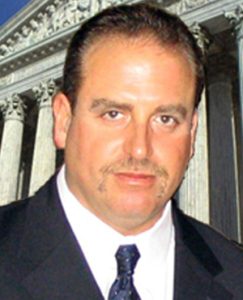 About Attorney Norman Gregory Fernandez