
An insurance adjuster asks to record a conversation after your California accident. Before agreeing, identify the company, whose interests it represents and the purpose of the request. A request from your own insurer can involve policy obligations that differ from a request by the other person’s insurer. Attorney Norman Gregory Fernandez explains the concerns in the video above.
First, identify who is asking
Ask for the adjuster’s name, company, claim number and contact information. Confirm whether the company insures you, the other driver, a property owner or someone else. A friendly conversation can still become evidence about how the incident happened and what injuries you described.
Do not assume every person calling about the accident represents your interests. If you already have an attorney, give the caller your attorney’s contact information and promptly send your lawyer any written request.
Your own insurer may have cooperation requirements
Read your policy and promptly report the accident as required. Your own coverage may include duties to cooperate with the investigation, provide documents or respond to reasonable requests. Ignoring the company can create coverage problems. Ask the insurer to identify what it needs and any applicable deadline, then obtain legal advice about your specific obligations.
The California Department of Insurance’s accident guide advises consumers to notify their insurer and cooperate with its investigation. That does not mean every request from every insurance company should be treated identically. The policy, coverage being claimed and circumstances matter.
Why an early recorded statement can matter
Shortly after an accident, you may not know the full extent of your injuries. You may also be estimating distances, speeds or the sequence of events. An estimate repeated as a definite fact can later be compared with photographs, medical records or testimony.
For example, saying you feel fine as a social courtesy may not accurately describe developing pain. Explain what you actually know at the time. Do not minimize symptoms, exaggerate them or speculate about a medical diagnosis. A later change in symptoms should be described honestly to your healthcare provider and attorney.
Be accurate and do not guess
If a statement is appropriate after reviewing your obligations, listen carefully and answer truthfully. Ask for clarification when a question is confusing. Say when you do not know or cannot remember. Do not adopt someone else’s description just because it appears in a question.
Do not hide prior injuries or invent details. Tell your lawyer about prior conditions, earlier statements and anything you believe needs correction. Preserve correspondence and available accident evidence. Ask how to obtain a copy of the recorded statement and any transcript.
Get advice before a disputed claim becomes harder
A recorded statement is one part of the investigation. Photographs, witnesses, reports and medical records can also affect liability and damages. An attorney can help evaluate the request and explain what evidence still needs to be collected.
Call 800-816-1529 for a free consultation about your accident and insurance questions.
General information, not legal advice. Every case depends on its facts. No result is guaranteed. An attorney-client relationship requires an agreed engagement.
Get Help Now
Work directly with an experienced California personal injury attorney. The Law Office of Norman Gregory Fernandez & Associates represents injured people statewide. Norman Gregory Fernandez has practiced law since June 23, 1997. Call 800-816-1529 for a free consultation or contact our office.
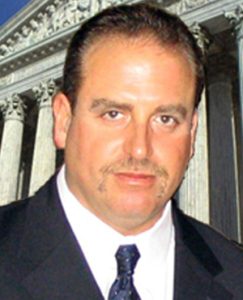 About Attorney Norman Gregory Fernandez