
You followed the directions, used the product for its intended task and still suffered an injury. That does not automatically mean you did something wrong. It also does not, by itself, prove that the product was defective. In this video, California personal injury attorney Norman Gregory Fernandez discusses the questions that can help distinguish an ordinary accident from a potential products liability claim.
Correct use is the beginning of the investigation
Write down what you were doing immediately before the incident. Include the setting, how long the product had been in use, any unusual sound or movement and the condition you noticed afterward. Preserve the instructions you actually received. If you watched an installation video or relied on an advertisement, save that information too.
An accurate account matters more than a confident guess. If you do not know why a component failed, say so. Avoid trying to recreate the failure, especially where electricity, heat, pressure or moving parts could cause another injury.
Different kinds of defects raise different questions
A manufacturing issue concerns how a particular item was made. A design issue concerns the product’s design. A warning or instruction issue concerns information about risks or safe use. The legal standards and available defenses differ, and a product can require expert inspection before anyone can responsibly identify the problem.
The fact that you used an item correctly may be important evidence, but other questions remain: Was there a defect? Did it cause the injury? Who supplied the product? What happened to it between purchase and the incident? The investigation should address those questions rather than assume an injury guarantees recovery.
Identify the item and its supply chain
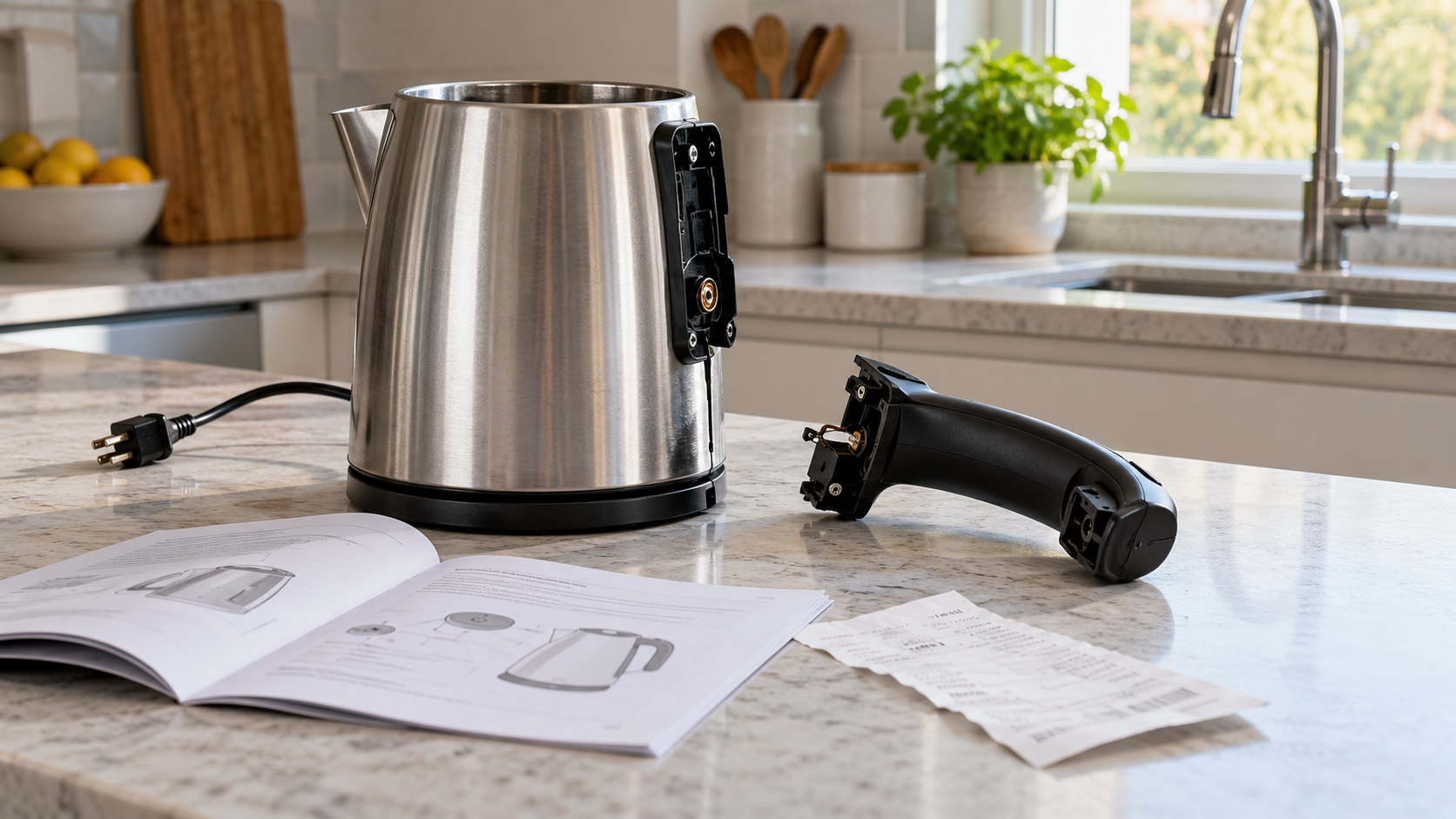
Photograph the label, model and serial numbers and any identifying marks. Keep purchase receipts, online order confirmations, packaging, warranty papers and assembly records. Note whether someone else installed, maintained or repaired it. Manufacturers, distributors and sellers may have different roles, so save the names and records available to you.
Do not assume a familiar brand name identifies every potentially responsible business. An attorney can review the actual product and transaction history when deciding what additional investigation is appropriate.
Preserve evidence before returning the product
Keep the item and all detached pieces in a safe condition. Do not clean, alter, repair or discard them. Before accepting a refund, sending it for warranty service or allowing destructive testing, discuss preservation with counsel. A replacement may solve a household problem while leaving important evidence unavailable.
Seek appropriate medical attention and retain photographs, treatment records, bills and information about missed work. Keep the complete communications with the seller or manufacturer, including attachments. Do not exaggerate symptoms or leave out prior repairs or modifications.
Get a fact-specific review
Bring the product identification, purchase history, instructions and a clear incident timeline to a consultation. The goal is to understand whether the evidence supports a defect claim and what further work would be needed. Each case depends on the product, its condition and the connection between the incident and the claimed harm.
General information, not legal advice. Each matter depends on its facts and applicable law. Viewing this article does not create an attorney-client relationship.
 About Attorney Norman Gregory Fernandez