


Yes, you may still have a California injury claim after a hotel bathtub slip and fall—but neither the fall nor the presence of water automatically proves negligence. The important questions are whether the bathtub presented an unreasonable risk, whether the hotel knew or reasonably should have known about it, and whether the hotel’s failure to use reasonable care contributed to your injury.
A hotel’s statement that “water makes tubs slippery” is not a substitute for investigating what actually happened. A worn slip-resistant surface, improper refinishing, or unusually slippery residue may deserve attention. Each possibility requires evidence; it is not an automatic finding that the hotel was at fault.
Watch: Can you sue after slipping in a hotel bathtub?
Attorney Norman Gregory Fernandez discusses the distinction between an ordinary wet tub and an unreasonably dangerous condition. This educational video uses an AI-generated attorney avatar.
What must you prove in a California hotel bathtub claim?
California premises liability generally requires proof that the defendant owned, leased, occupied, or controlled the property, was negligent in its use or maintenance, and that this negligence was a substantial factor in causing harm. Hotels owe reasonable care, not a guarantee that every guest will avoid a fall.
Reasonable care can include discovering unsafe conditions and repairing, replacing, or adequately warning about hazards that could reasonably harm guests. The circumstances matter: the likelihood and seriousness of harm, what the hotel knew, and the practicality of protecting guests all affect the analysis.
The California Supreme Court’s hotel-bathtub decision in Peterson v. Superior Court (1995) 10 Cal.4th 1185 distinguished potential negligence liability from strict products liability against the hotel proprietor. An injury does not make the hotel automatically responsible simply because a guest was using the room as intended.
Look beyond the water: surface condition and maintenance
The video identifies worn traction and improper refinishing as possible issues. A meaningful investigation asks what condition existed at the time of the fall, whether it created an unreasonable risk, and how it caused the guest to slip. A refinished tub is not necessarily unsafe, and a photograph of a wet tub may not establish its traction.
Cleaning products, residue, damaged surfaces, and maintenance history may also matter. An attorney may evaluate whether qualified expert inspection or testing is warranted. Do not conduct dangerous “slip tests” yourself or try to recreate the fall.
Missing mats or grab bars are not automatic proof of negligence. Whether a particular protective measure or legal requirement applied depends on the property and circumstances. No universal rule in the authorities discussed here makes every hotel bathtub fall actionable.
What the hotel knew—or should have discovered—matters
Actual notice means the hotel knew about the unsafe condition. Guest complaints, staff observations, repair requests, or sufficiently similar earlier incidents may help establish that knowledge. Constructive notice concerns what reasonable care would have revealed, including how long the condition existed and whether there was enough time to discover and address it.
Earlier falls need context. In Howard v. Omni Hotels Management Corp. (2012) 203 Cal.App.4th 403, reports of two falls at another hotel did not establish the necessary notice issue because they lacked facts showing substantially similar tub conditions and accident circumstances. A bare assertion that “someone else fell” is not the same as documented notice of the same hazard.
If hotel staff created the dangerous condition while acting within the scope of their employment, knowledge can be attributed to the hotel. Hiring an outside maintenance contractor does not automatically eliminate the hotel’s potential responsibility for safe maintenance.
What to do after a hotel bathtub or shower fall
Get appropriate medical help first. A serious fall can require urgent attention, particularly after a head impact or when you cannot safely stand or walk. Tell treating professionals accurately how the fall occurred and what symptoms you have; do not minimize or exaggerate them.
When it is safe, preserve evidence before the room is cleaned, repaired, or reassigned:
- Keep your reservation, hotel address, room number, and the date and approximate time of the fall.
- Take original photographs of the tub, surrounding bathroom, visible residue or damage, and any mat, grab bar, or warning. Do not alter the scene or risk another injury.
- Report the incident to management, ask for an incident-report reference or copy, and record who received your report.
- Save witness names and contact information, messages with the hotel, medical records, bills, and documentation of missed work.
- Write a factual account while events are fresh, including what you observed before and after falling. Avoid guessing about conditions you did not see.
An attorney can consider a prompt preservation request for relevant complaint, inspection, cleaning, refinishing, and repair records, together with any relevant surveillance from lawful common-area cameras. Those records are not automatically available to a guest, and their existence should not be assumed. Avoid signing a release or accepting a payment represented as a final settlement without understanding its effect.
Can the hotel blame you for using a wet bathtub?
An obvious danger may affect whether a warning was necessary, but it does not always eliminate a duty to take reasonable protective measures. Foreseeable encounters with a condition through necessity can matter. Neither a visibly wet tub nor the ordinary decision to take a shower resolves every case by itself.
California comparative-negligence principles can reduce recovery if a guest’s own negligence substantially contributed to the harm. The hotel must support that defense with evidence. A fall alone does not prove that either the guest or the hotel acted negligently.
Do not wait for the hotel’s investigation to consider deadlines
California’s ordinary personal-injury lawsuit deadline is two years, generally measured from the injury. Accrual rules and exceptions can change the deadline, and claims involving a public entity may have separate claim-presentation requirements—generally within six months of accrual for an injury claim. An insurer’s ongoing discussions do not automatically extend the filing period.
Seek advice early about your particular deadline and the parties that actually owned, operated, or controlled the property. The name on a hotel sign does not, by itself, identify every legally responsible entity.
Frequently asked questions
Do I have a case just because there was no rubber mat?
Not necessarily. The absence of a mat is one fact to investigate, not a universal finding of negligence. The actual condition, applicable requirements, reasonable precautions, notice, and causation still matter.
Can I pursue a claim if nobody saw me fall?
Possibly. Your account, prompt medical records, photographs, the incident report, and maintenance evidence may help establish what happened. A missing eyewitness does not automatically defeat a claim, but the evidence must still support the required elements.
What losses may a supported injury claim address?
Depending on the evidence and applicable law, damages may include reasonable medical expenses, lost earnings, supported future losses, and pain and suffering. The available recovery is fact-dependent; no amount or outcome is guaranteed.
California legal sources
This article draws on Civil Code section 1714; the Judicial Council’s 2026 civil jury instructions, including CACI 1000–1004, 1011–1012 and 405; Peterson v. Superior Court; and Howard v. Omni Hotels Management Corp.. The ordinary deadline appears in Code of Civil Procedure section 335.1; public-entity claim timing is addressed in Government Code section 911.2.
Attorney advertising. General legal information, not legal or medical advice for your specific situation. Every case depends on its facts and applicable law; no result is guaranteed. Reading this article, watching the video, or contacting the office does not create an attorney-client relationship. Representation requires a signed engagement agreement.
Get Help Now
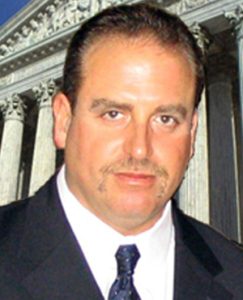
Work directly with an experienced California personal injury attorney. The Law Office of Norman Gregory Fernandez & Associates represents injured people statewide. Norman Gregory Fernandez has practiced law since 1997. Call 800-816-1529 for a free consultation or contact our office. With nearly three decades of experience, our firm is not a settlement mill.
 About Attorney Norman Gregory Fernandez