


A store’s suspicion of shoplifting does not answer every question about a detention or an injury. California law recognizes a limited merchant detention privilege, and the circumstances of the encounter still matter. In this video, attorney Norman Gregory Fernandez explains why the reason for stopping someone and the force used should be evaluated separately.
Start with the reason for the detention
Under Penal Code section 490.5, a merchant may conduct a reasonable investigation for a reasonable time when there is probable cause to believe a person is taking or has taken merchandise unlawfully. A disagreement with store staff does not automatically establish that standard. Nor does a person’s denial, by itself, resolve whether the staff had a lawful basis to investigate.
Write down what employees said they observed, where the encounter began and whether you were told why you were being stopped. Preserve receipts, transaction records and any messages about the incident. A lawyer needs the complete sequence, including facts that may support the store’s explanation.
Permission to detain does not mean unlimited force
The statute addresses reasonable nondeadly force necessary for specified purposes, including protection and preventing escape or loss of property. Whether a particular action was reasonable depends on what actually happened. The presence of a uniform, a shoplifting accusation or a store policy does not settle that question.
Details can include the number of people involved, whether anyone threatened harm, resistance, movement toward an exit and the method of restraint. Describe what you personally saw and felt. Do not fill gaps with assumptions about an employee’s training or intent.
The length and manner of the stop matter too
Record approximately when the encounter began and ended, where you were taken and what happened during the investigation. Note whether police were called and whether an incident number was provided. Keep all paperwork, including any demand or notice, without assuming that one document determines your civil rights.
Prioritize safety. Do not return to confront the guard or recreate the incident. Seek appropriate medical attention for an injury and explain the mechanism accurately to your provider.
Preserve the full recording and identify the employer
Store surveillance, nearby business recordings, witness information and photographs may help show the complete encounter. Tell counsel promptly about possible camera locations. A recording should be preserved in full rather than reduced to a short clip that omits important context.
Keep the guard’s name or identifying information if safely available. A retailer may use its own employees or an outside security company. Responsibility requires an investigation of employment, control and conduct; it does not automatically extend to every business associated with the premises.
Bring facts rather than labels to a consultation
Useful materials include a timeline, receipts, witness contacts, incident reports and medical records. An attorney can review the detention, the amount of force, possible defenses and whether the evidence supports an injury claim. Calling conduct “excessive” is a starting concern; proving the relevant facts is the work that follows.
General information, not legal advice. Each matter depends on its facts and applicable law. Viewing this article does not create an attorney-client relationship.
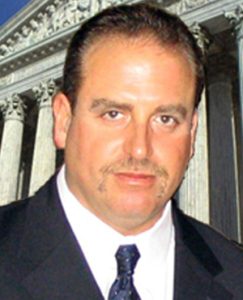 About Attorney Norman Gregory Fernandez