


If a private security guard injures you at a California store, the guard’s conduct and the relationships between the guard, security company and business need to be investigated. A uniform does not create unlimited authority to use force. At the same time, an injury alone does not establish that every person or business involved is legally responsible.
Attorney Norman Gregory Fernandez explains in this video why the reason for the encounter, the force used and the available evidence can make a difference.
Document the whole encounter
As soon as you can, write an accurate timeline: where you were, what was said, who approached you, how physical contact began and what happened afterward. Include facts that may be disputed rather than leaving them out. Distinguish what you personally observed from what someone later told you.
Keep receipts, incident paperwork, photographs, messages and witness contact information. Note the guard’s name, uniform markings and employer if you can identify them safely. Do not return to confront the guard or attempt to stage a recording.
Preserve surveillance promptly
Store cameras, nearby businesses or witnesses may have recorded the encounter. Ask promptly that relevant footage be preserved, identifying the date, approximate time and location. Footage from before physical contact may be as important as the moment of injury. A preservation request does not guarantee that the business will voluntarily provide a copy.
Detention and force have legal limits
California law allows qualifying merchant detentions in certain circumstances, subject to requirements about the grounds, manner and duration. Rules governing nondeadly force also have limits. A suspicion of theft does not automatically justify every act that follows.
The California Bureau of Security and Investigative Services training manual addresses arrest authority and appropriate use of force. Whether conduct was legally justified requires an evaluation of the particular facts, including any claimed need for self-defense. Avoid assuming either that guards have police powers or that all physical contact is unlawful.
Identify the potentially responsible parties
The individual guard, a security employer and the store may have different roles. An investigation may examine employment, supervision, instructions, contracts and the work the guard was performing. A store is not automatically responsible merely because an incident occurred on its property, and using an outside contractor does not resolve every possible responsibility question.
Depending on the evidence, an attorney may consider claims involving negligence, battery or other conduct. Naming the right parties and evaluating their defenses takes more than reading a uniform or a storefront sign.
Record the injury and its effects accurately
Obtain appropriate medical care and describe how the injury occurred. Preserve treatment records, bills, photographs and information about missed work or activity limitations. If police responded, keep the report number and related documents. A civil injury evaluation and any criminal investigation involve different questions; explain both to your attorney.
Bring the timeline and supporting material to a consultation promptly so counsel can evaluate evidence and deadlines. Do not assume surveillance will remain available while you decide what to do.
General information, not legal advice. Every case depends on its facts. No result is guaranteed. An attorney-client relationship requires an agreed engagement.

Get Help Now
Work directly with an experienced California personal injury attorney. The Law Office of Norman Gregory Fernandez & Associates represents injured people statewide. Norman Gregory Fernandez has practiced law since 1997. Call 800-816-1529 for a free consultation or contact our office.
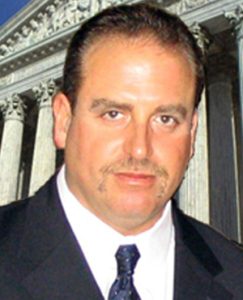 About Attorney Norman Gregory Fernandez