


Stopping physical therapy can create questions in an injury claim, but it does not automatically eliminate the claim. The reason you stopped, your medical provider’s recommendations and the course of your recovery all matter. Treatment decisions should be based on your health and clinical advice.
Attorney Norman Gregory Fernandez explains in this video why an insurance company may examine missed appointments and gaps in treatment.
Tell your provider what is actually happening
If therapy increases symptoms, appointments are unavailable or you cannot afford the recommended schedule, tell your healthcare provider. Ask about appropriate alternatives, referrals or modifications. Do not continue a treatment solely to increase a claim or stop solely because an adjuster questions it.
Medical advice should come from a qualified provider who understands your condition. If you are unsure about discharge instructions or a home exercise program, ask for clarification.
Keep an honest explanation of any gap
Work demands, transportation, cost, illness and provider scheduling can affect attendance. Preserve appointment messages and relevant correspondence. A contemporaneous record is more useful than an invented explanation months later. Distinguish a provider-directed discharge from missed visits or your own decision to stop.
Why the insurer may ask about attendance
An insurer may question whether continuing symptoms are related to the accident or whether claimed limitations are consistent with the treatment record. A gap can become one part of that dispute. It should be evaluated with the complete history, examination findings and other evidence rather than treated as a simple yes-or-no test.
There may also be a dispute about reasonable efforts to reduce harm. That does not mean every missed appointment defeats recovery. An attorney can explain how the facts and medical evidence affect your circumstances.
Do not rewrite the medical history
Tell later providers about earlier treatment, the dates you stopped and the actual reasons. Ask for factual errors in records to be addressed through the provider’s normal process. Never ask anyone to backdate treatment or document visits that did not happen.
Prepare useful information for a consultation
Bring the treatment plan, discharge paperwork, appointment history and any written insurer questions. Keep records of bills and work restrictions. Your lawyer can help identify what evidence is missing while your providers guide care. The goal is a truthful account of recovery and its effects, including any genuine obstacles to treatment.
General information, not legal advice. Every case depends on its facts. No result is guaranteed. An attorney-client relationship requires an agreed engagement.

Get Help Now
Work directly with an experienced California personal injury attorney. The Law Office of Norman Gregory Fernandez & Associates represents injured people statewide. Norman Gregory Fernandez has practiced law since 1997. Call 800-816-1529 for a free consultation or contact our office.
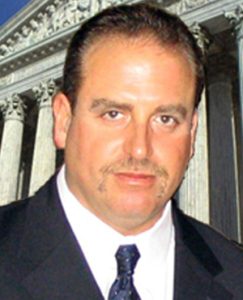 About Attorney Norman Gregory Fernandez