


A request for production can require much more than finding a few bills. Documents, photographs, messages and other records may help explain what happened and how an injury affected your life. In this video, attorney Norman Gregory Fernandez discusses how clients can help their lawyer prepare for document discovery in a California injury case.
Start with the actual requests
Send counsel the complete document, attachments and information about when it was received. Read each numbered request and note the subjects, dates and definitions it uses. Do not substitute a general pile of accident papers for reviewing what is being requested.
Ask the office how it wants material organized and when your information is needed. Your lawyer must have time to review the records, identify gaps and prepare appropriate written responses. An internal return date may be earlier than the date on the demand.
Look beyond a single folder
Potentially responsive material may be in paper files, email accounts, text messages, cloud storage, phones or other devices. Medical records, bills, photographs, wage information, repair documents and correspondence may be relevant, depending on the requests. Tell counsel where useful material might exist.
Keep a simple record of the locations searched and what you found. If records are held by a provider, employer or another person, identify that source. Do not access someone else’s account or obtain documents through an unauthorized method.
Preserve originals and complete communications
Retain original files when possible, including available dates and other file information. A cropped image or a selected message may leave out context that the full record provides. Explain to counsel if an item has been edited, forwarded or saved in a different format.
Do not delete unfavorable records, replace originals or create a cleaner version that conceals what the original showed. Ask counsel about preservation before changing devices, closing accounts or using automatic deletion settings. Preservation and the decision about what must be produced are separate steps.
Explain missing records accurately
If an item cannot be found, say what you searched and whether you believe it ever existed. A record that never existed is different from one that was lost, destroyed or transferred. Your attorney needs those facts to evaluate the appropriate response.
Do not state that all documents have been provided unless the search and review support that statement. Likewise, do not assume a record is irrelevant simply because you think it hurts the case. Give counsel the information needed to assess responsiveness and any legal protection.
Let your lawyer review sensitive material
Documents may raise privacy, privilege or other issues. Identify potentially protected communications to your attorney rather than independently sending them to the opposing side. Follow the office’s secure delivery instructions and ask before uploading a large collection to a new service.
The California Courts guide to responding to requests for production explains the procedure generally. Represented clients should coordinate the actual response, production, verification and service with counsel handling their case.
Stay available for follow-up
Your lawyer may ask about missing pages, file dates, attachments or how a document was created. Respond promptly and review any final verification carefully. Tell counsel if you discover additional records or an error after sending your initial collection so the office can decide what further steps are needed.
General information, not legal advice. Viewing this article does not create an attorney-client relationship or replace advice from your own counsel.
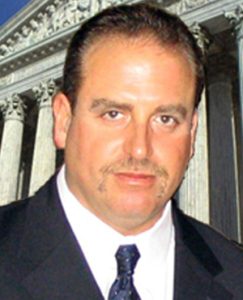 About Attorney Norman Gregory Fernandez