
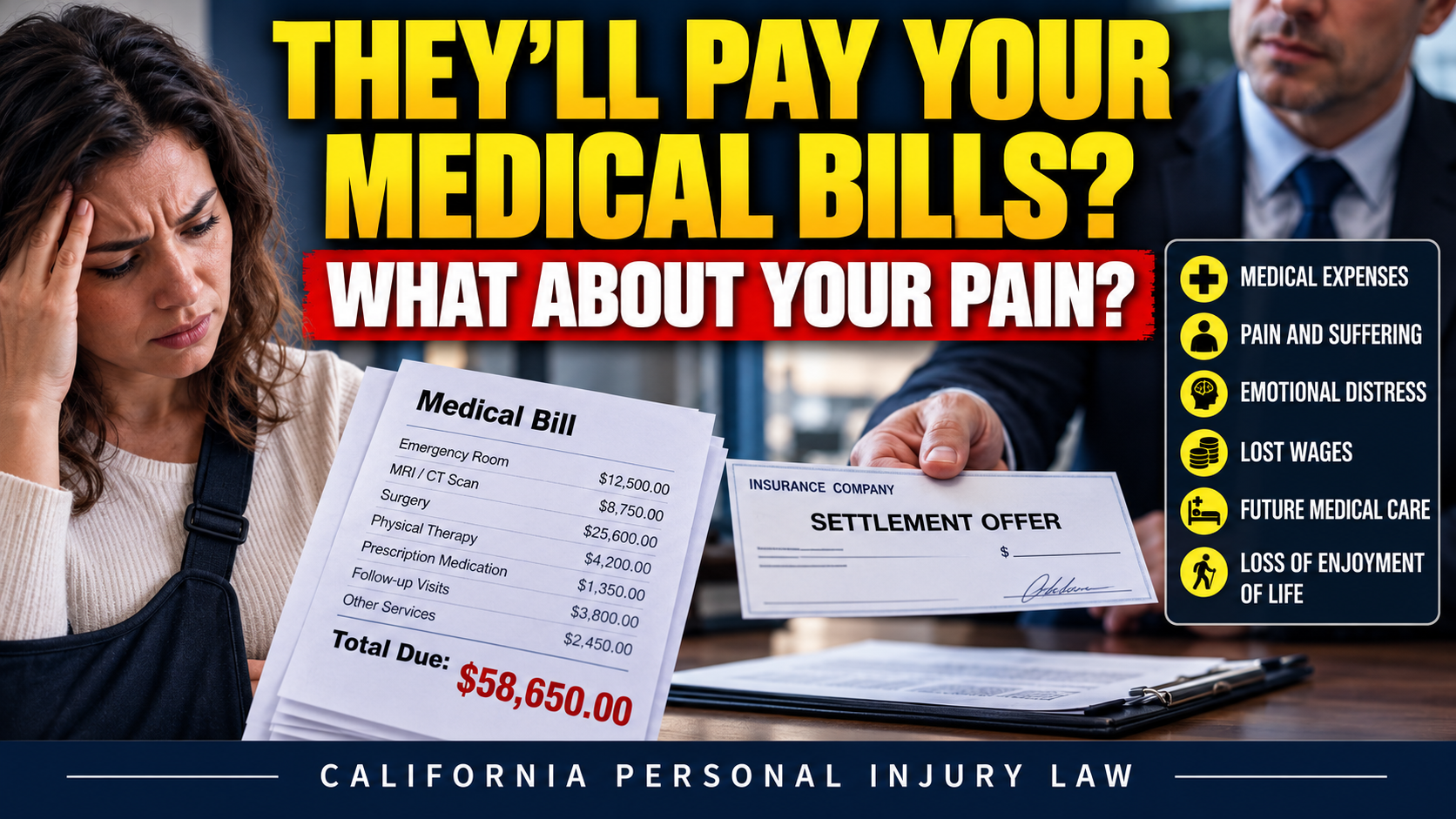
Settling a personal injury claim does not always mean the entire gross settlement goes directly to the injured person. If a health plan or public program paid for care connected to the accident, it may seek repayment from the recovery. Whether a particular demand is valid, and how much may be owed, depends on the plan, the payments, the settlement, and the law that applies.
This is often called subrogation or reimbursement. Before money is distributed, it is important to identify who paid the medical bills, request an itemized claim, and review the source and terms of the asserted right. A demand letter alone does not answer every question about the amount due.
Why a health insurer may seek repayment
A plan may say that when it pays accident-related medical expenses and the injured member later recovers money from someone responsible for the injury, the plan has a right to reimbursement. The right may come from a contract, a statute, or federal law. The word “lien” is often used broadly, but different payers can have different legal rights and procedures.
Medicare conditional payments
Medicare may make a conditional payment when another payer, such as a liability insurer, is expected to pay but has not paid promptly. When a settlement, judgment, or other payment is made, Medicare may seek repayment for related conditional payments. The Centers for Medicare & Medicaid Services explains that the Benefits Coordination & Recovery Center identifies claims and issues a demand after a recovery is reported. Claims that are unrelated to the injury can be disputed with supporting records, and Medicare’s process accounts for certain attorney fees and costs.
See the CMS explanation of Medicare’s recovery process for current steps and deadlines.
Medi-Cal recovery claims
California’s Department of Health Care Services may assert a claim for Medi-Cal benefits paid because of an injury caused by a third party. California’s Medi-Cal recovery statutes define the scope of recovery and, in qualifying circumstances, provide reductions related to attorney fees and litigation expenses. The calculation is statutory and fact-specific; it should not be assumed that a demand equals the final amount due or that one reduction formula applies to every case.
The relevant provisions include California Welfare and Institutions Code section 14124.72 and related sections in the third-party-liability article.
Private health plans and employer coverage
For private coverage, the plan documents and applicable law matter. California courts have addressed contractual reimbursement provisions and the common-fund doctrine, which can require a plan to share some attorney fees when the member’s lawyer created the recovery from which the plan is paid. The result depends on the specific coverage and facts.
Some employer-sponsored plans may be governed by ERISA. In an ERISA reimbursement dispute, the plan’s terms can be especially important. In U.S. Airways, Inc. v. McCutchen, the U.S. Supreme Court explained that equitable defenses generally cannot override clear terms in an ERISA plan’s reimbursement provision, though ordinary contract interpretation still applies. Do not assume that every employer plan is self-funded or that every ERISA plan has identical language.
Read the California Supreme Court’s decision in 21st Century Insurance Co. v. Superior Court and the U.S. Supreme Court’s McCutchen opinion.
What to review before paying a demand
- Ask for the itemized medical claims and compare them with the injuries and treatment in the case.
- Identify the payer and the type of coverage. Request the plan language or other document that supports the claim.
- Check for charges that are unrelated, duplicated, adjusted, or otherwise not part of the claimed injury treatment.
- Review whether applicable law or the plan provides for a reduction based on attorney fees, litigation costs, the settlement amount, or other circumstances.
- Keep settlement and lien communications, and obtain a written final amount or resolution before distributing funds when the claim requires it.
A simple example
Suppose an injury case settles for $100,000 and a health plan says it paid $30,000 for accident-related care. That demand should be reviewed; the number on the letter does not, by itself, establish the final repayment amount. The answer may depend on which services were related, the plan’s enforceable terms, the kind of coverage, applicable law, attorney fees and costs, and the settlement details. There is no single calculation that fits every case.
Questions clients often ask
Does every health insurer automatically get part of my settlement?
No. A payer needs a valid basis for recovery, and the amount can depend on the contract, statute, plan type, covered payments, and applicable limits. A demand should be reviewed rather than automatically accepted or ignored.
Can a health plan claim payments for treatment that was not related to the accident?
Relatedness can be disputed. Request the itemized claim history and provide records that show why a charge was for a different condition or otherwise does not belong in the claim.
Can attorney fees or costs affect the reimbursement amount?
They may. Some programs and doctrines address fees or procurement costs, while an ERISA plan’s written terms may control in important ways. The applicable rule depends on the payer and plan.
Important: This article provides general information, not legal advice for a particular claim. Medicare, Medi-Cal, ERISA, and private-plan recovery rules can be complex and deadlines may apply. Review the actual plan documents and claim records with a qualified attorney before deciding how to respond.

Get Help Now
Work directly with an experienced California personal injury attorney. The Law Office of Norman Gregory Fernandez & Associates represents injured people statewide. Norman Gregory Fernandez has practiced law since 1997, with nearly three decades of experience. Our firm is not a settlement mill. Call 800-816-1529 for a free consultation or contact our office.
 About Attorney Norman Gregory Fernandez