
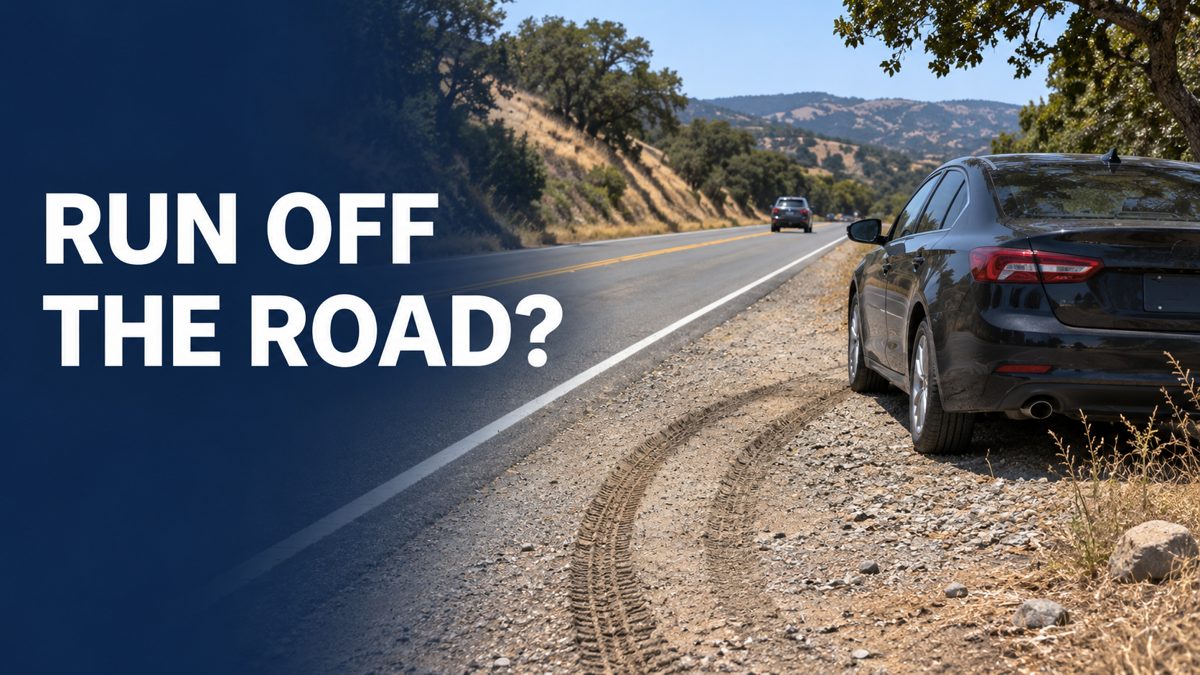
You are driving in your lane when another car moves over without warning. You steer away to avoid a collision and hit the shoulder, a guardrail, or another vehicle. The other driver keeps going. In California, the fact that your vehicles never touched does not by itself resolve who caused the crash. What you can prove, whether you can identify the other driver, and what insurance applies are separate questions.
What if the other driver is identified?
If the driver can be identified, a claim may turn on whether that driver acted carelessly and caused your injuries. For example, a dashcam may show a car crossing into your lane, your immediate steering correction, and the impact with a guardrail. A clear view of the license plate may help identify the vehicle. The timing and sequence matter because they can help explain why you left the roadway.
Evidence of your own response matters too. An insurer may ask how fast you were traveling, how much space you had, or whether another road hazard contributed. Save the footage leading up to the crash and the footage afterward. A short clip of the impact alone may leave out the maneuver that forced you to react.
What if the other driver is unknown?
An unidentified vehicle raises a separate insurance issue. California Insurance Code section 11580.2(b) generally requires physical contact for an uninsured motorist bodily injury claim involving an unknown owner or operator. A driver can cause a crash without touching your vehicle, but a pure no-contact incident can present a serious coverage obstacle when that driver remains unidentified. Video and witness statements may help establish what happened and identify the vehicle. Ask your insurer or attorney to review the policy and facts promptly.
Tell the investigating officer and your insurer how the other vehicle was involved. Describe anything you actually saw or heard, including the direction of travel, a partial plate, markings, or the color and type of vehicle. If you are unsure about a detail, say so. An accurate partial description gives investigators something to work with.
What evidence should you preserve?
Save the original dashcam file before the device overwrites it. Keep front and rear footage if available. Write down the time, road, direction of travel, lane, and nearest exit or landmark while you can still remember them. If it is safe, photograph the roadway, shoulder, vehicle damage, and where your vehicle came to rest. Keep the crash report number and witness contact information.
Look for nearby businesses, homes, or vehicles that may have captured the event. Record their locations and camera directions so footage can be requested before it is erased. Preserve medical records and documentation of time missed from work. Those records help show how the crash affected you, even when the evidence about the other driver is still developing.
This article provides general information about California injury claims.
Get Help Now
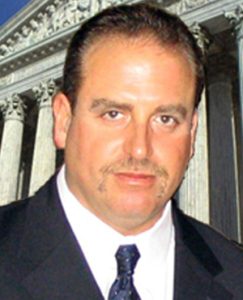
Work directly with an experienced California personal injury attorney. The Law Office of Norman Gregory Fernandez & Associates represents injured people statewide. Norman Gregory Fernandez has practiced law since 1997. Call 800-816-1529 for a free consultation or contact our office.
 About Attorney Norman Gregory Fernandez