

If you have a California personal injury claim, you may be surprised to learn that an insurance company could hire a private investigator to observe your activities. Surveillance can be unsettling, particularly when you are trying to recover and get back to ordinary life. In this video, California personal injury attorney Norman Gregory Fernandez discusses insurance investigations and what injured people should understand about them.
Why would an insurance company hire a private investigator?
An insurer evaluating a claim may investigate the accident, the injuries, and how those injuries affect the person’s daily activities. In some cases, it may use surveillance in an effort to compare what it observes with medical records, statements, or claims about physical limitations.
Surveillance is not proof that a claim is dishonest. A person can be injured and still need to shop for groceries, attend appointments, care for family, or try to perform everyday tasks. The question is what the activity actually shows in the context of the entire record.
A short video may not tell the whole story
A few seconds of footage can leave out important details. It may show someone lifting a bag but not the pain they experience afterward, the help they needed, or the rest they required later. Symptoms can also vary from day to day. A person may attempt an activity and then discover they cannot continue or must recover afterward.
Medical records, treatment history, testimony, and other evidence can help explain the full picture. Your attorney can review the circumstances and address misleading impressions if surveillance becomes an issue in your case.
Be honest about your injuries and limitations
The best practice is to be accurate and consistent. Tell your doctors what you can and cannot do, what causes pain, and how your symptoms change. Do not exaggerate your limitations or minimize symptoms to appear stronger. Explain both the activities you can perform and any difficulty or consequences that follow.
Follow your treating providers’ recommendations and ask them if you are uncertain about an activity. If your condition improves or worsens, let your doctors and attorney know. An injury claim should reflect your actual experience, including good days and bad days.
Social media can become part of the picture
Insurance representatives and defense attorneys may also look at online material. A photograph, video, comment, or tagged post may lack context. For example, an older photograph might be mistaken for a current activity, or a smiling picture may be used to suggest that an injured person is not suffering.
Be thoughtful about what you post and what others post about you. Privacy settings do not guarantee that material will remain unavailable in a legal dispute. Do not delete or alter potentially relevant posts, messages, or photographs without first consulting your attorney about preservation obligations.
What if you believe you are being watched?
If you notice someone following or observing you and are concerned, do not confront the person or place yourself in danger. If there is an immediate threat, contact law enforcement. Tell your attorney what happened, including the dates, locations, and any details you safely observed. Your attorney can evaluate the circumstances and advise you about appropriate next steps.
Not every observation is improper, and whether particular conduct is lawful depends on the facts. Do not assume that every person taking photographs or driving nearby is an investigator.
How an attorney can help
An attorney can help you understand an insurer’s requests, document your injuries and losses, and evaluate evidence in context. If surveillance is raised during negotiations or litigation, your lawyer can review what is available and consider the appropriate response. Every case is different; no particular result is guaranteed.
Frequently asked questions
Can an insurance company investigate a personal injury claim?
Insurance companies may investigate claims, and some use private investigators. The permissibility and significance of particular conduct depend on the circumstances and applicable law.
Does being seen doing an activity mean I lose my case?
No. A recording does not automatically decide a claim. What you did, your medical condition, the surrounding circumstances, and the rest of the evidence all matter.
Should I stop all activity?
Do not assume you must stay at home. Follow your medical providers’ instructions and be truthful about what you can do. Ask your providers and attorney about concerns specific to your situation.

Get Help Now
The Law Office of Norman Gregory Fernandez has represented Californians since 1997. We are not a settlement mill. If you have questions about an injury claim or an insurance investigation, call 800-816-1529 or request a free consultation.
Related resources
- California personal injury case information
- Frequently asked personal injury questions
- Watch more California personal injury videos
By Norman Gregory Fernandez, Esq. This article and video provide general information, not legal advice for a particular case. Contacting the firm does not itself create an attorney-client relationship.
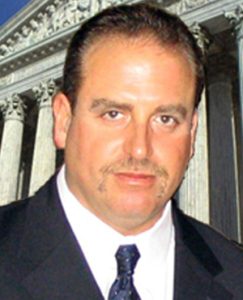 About Attorney Norman Gregory Fernandez