

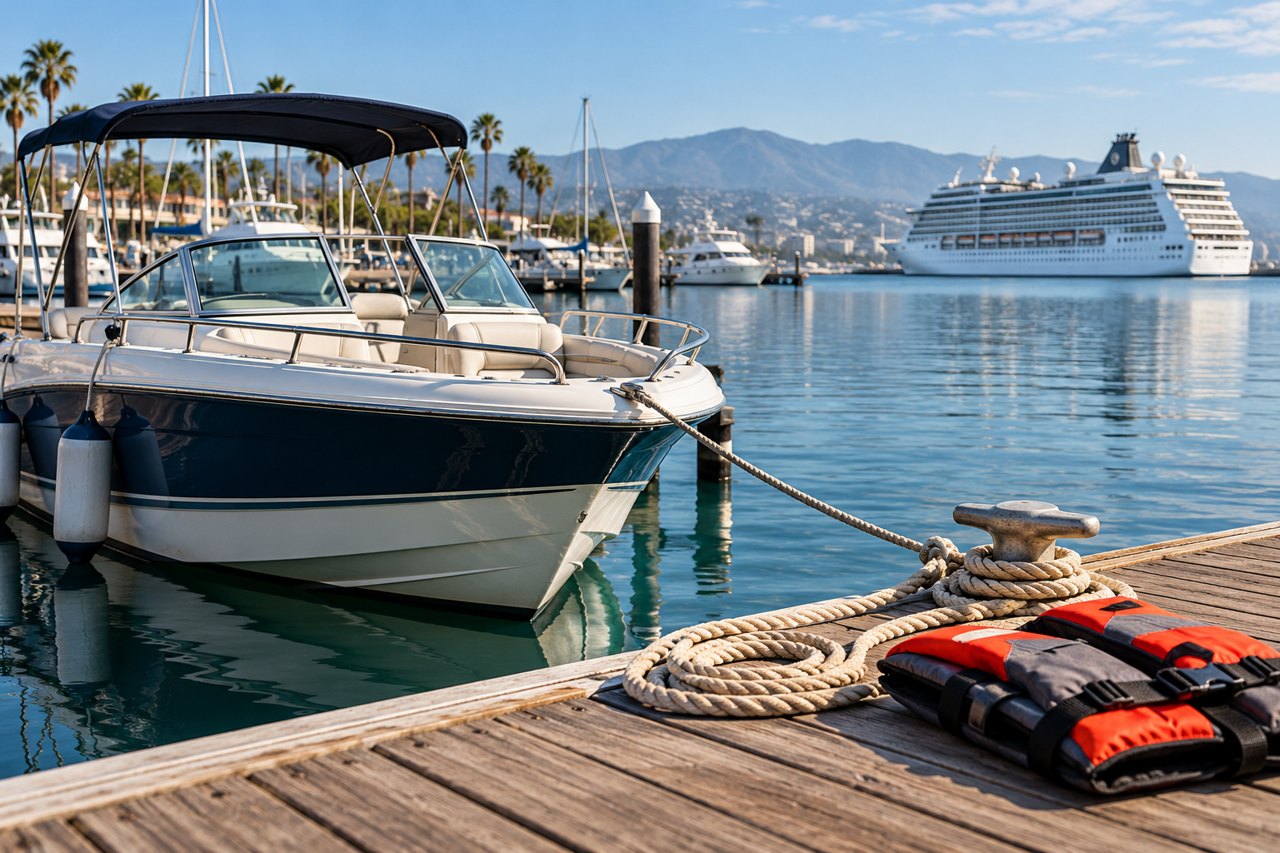
A boating outing or cruise can change quickly when a passenger is injured. Medical needs, unfamiliar reporting procedures and travel plans can make it difficult to know what to do next. In this video, attorney Norman Gregory Fernandez discusses boating and cruise ship injury claims connected to California and the importance of evaluating the circumstances promptly.
Get medical help and report the incident
Your immediate priority is safety and appropriate medical care. Notify the operator, crew or other responsible personnel about the injury. On a cruise, ask how to obtain the incident report and records of onboard treatment. Keep copies of discharge instructions and information about follow-up care.
Recreational boating accidents can also involve official reporting requirements. The U.S. Coast Guard’s accident reporting guidance describes reporting criteria and timelines. Do not assume a conversation with an insurer or a ship employee completes every required report.
Identify the vessel and everyone involved
Record the vessel’s name, registration information if available, operator and company involved. Keep your itinerary, excursion confirmation and booking records. A private boat, rental operator, organized excursion and cruise line may involve different parties and legal questions.
Write down where the incident happened and what activity was underway. The location, vessel type, voyage and your role aboard can affect the analysis. A lawyer needs these facts before deciding which rules and potential defendants should be investigated.
Preserve evidence before the trip ends
If it is safe, photograph the area and the condition involved, such as a wet walkway, damaged equipment or an unmarked change in elevation. Capture the surrounding layout as well as close views. Do not enter a restricted area or risk another injury to obtain photographs.
Save witness names and contact details, messages with staff, photographs and original electronic files. Ask counsel promptly about preserving surveillance footage and other records that may be overwritten. Keep damaged personal property when it may help explain what happened.
Keep the ticket contract and excursion terms
A cruise ticket is more than a receipt. Its terms may address notice of a claim, where a lawsuit must be filed and the time allowed to sue. Keep the complete contract, including electronic terms, rather than only the boarding pass or a screenshot of the reservation.
Do not assume the ordinary deadline for a land-based California accident controls. Maritime law and contract provisions may be relevant, and special rules can apply to particular vessels or travelers. Have an attorney review the actual documents promptly; reporting an injury does not necessarily preserve a civil claim.
Document the injury’s effects accurately
Keep records of treatment, out-of-pocket expenses and work missed because of the injury. Explain symptoms and limitations truthfully to providers. If you obtain care away from home, retain the provider’s contact information so the records can be requested later.
A claim requires an investigation of responsibility and damages. An injury alone does not establish that a vessel operator or cruise line is legally liable. Weather, equipment, warnings, maintenance and the actions of those involved may all need evaluation.
Seek advice while records are available
Early review gives counsel an opportunity to examine deadlines, identify responsible parties and request preservation of important evidence. Bring the ticket contract, incident information and available medical records to the consultation. Contact our office to discuss whether we can assist with your boating or cruise injury matter.
General information, not legal advice. Viewing this article does not create an attorney-client relationship. Applicable law and deadlines depend on the facts.

 About Attorney Norman Gregory Fernandez