


Written questions can feel overwhelming when you are also managing treatment, missed work and an injury lawsuit. Answering interrogatories is easier when you approach the questions methodically and give your attorney the facts needed to prepare accurate responses. In this video, California personal injury attorney Norman Gregory Fernandez explains how clients can help with form interrogatories and follow their lawyer’s instructions.
Understand which questions apply
Interrogatories are written discovery questions. California form interrogatories use a standardized form with numbered questions; special interrogatories are drafted for the particular case. Give your lawyer the entire set, including its instructions and information about when and how it arrived.
For form interrogatories, review the checked questions with counsel. A single numbered question may ask for several details. Do not stop after answering its first sentence. Your attorney can explain what applies and evaluate any objection or other legal issue.
Build a factual outline before writing
Gather the information your lawyer requests about the incident, witnesses, medical care, employment and claimed losses. A simple timeline can help you distinguish the date of the accident from later appointments, time away from work and changes in symptoms.
Use available records to check details rather than relying entirely on memory. Appointment records, bills and payroll information may help. Tell your attorney which records you reviewed and flag discrepancies instead of choosing whichever version seems more helpful.
Answer every applicable subpart
A question about treatment may ask for a provider’s name, address, dates and charges. Supplying a name alone may leave important parts unanswered. Keep the original numbering so the office can connect each fact to the correct question and subpart.
If you do not know a detail, identify the gap and the steps you took to find it. Do not invent a precise date, amount or conversation. Explain when an answer is an estimate and why. Your lawyer can determine how the final response should describe information that remains unavailable.
Be candid about difficult facts
Prior injuries, earlier treatment and facts that appear unfavorable can matter. Tell your attorney about them privately and accurately. An incomplete history can create problems when records or testimony later reveal information that was left out.
Describe what you personally remember and distinguish it from information someone else supplied. Avoid exaggerating restrictions or minimizing activities. Concrete examples of what changed after the injury are more useful than absolute claims that the evidence may not support.
Review the final answers carefully
Your rough notes help counsel prepare the response; they are not a substitute for reviewing the completed document. Check names, dates, amounts and the meaning of each answer. Ask about wording you do not understand before signing a verification.
The California Courts guide to responding to form interrogatories discusses the response and verification process. Follow the instructions of the lawyer handling your case about objections, signatures, service and the applicable deadline.
Return information early and report corrections
Ask the office when it needs your information so there is time for follow-up and review. Do not assume the date printed on a discovery document is your only deadline. Promptly forward additional papers and tell counsel if you discover an error or missing information after returning your answers.
Careful preparation helps your lawyer present a consistent factual account while addressing the actual discovery requests. If you have questions about a California injury claim, contact our office to discuss your situation.
General information, not legal advice. Viewing this article does not create an attorney-client relationship or replace advice from your own counsel.

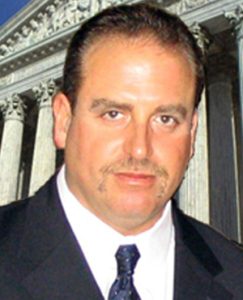 About Attorney Norman Gregory Fernandez