
Requests for admission can look like a simple list of statements, but they deserve careful attention. Your responses can narrow what remains disputed in a California injury lawsuit. In this video, attorney Norman Gregory Fernandez explains how clients can help prepare accurate written discovery responses with their attorney.
Read the exact statement before answering
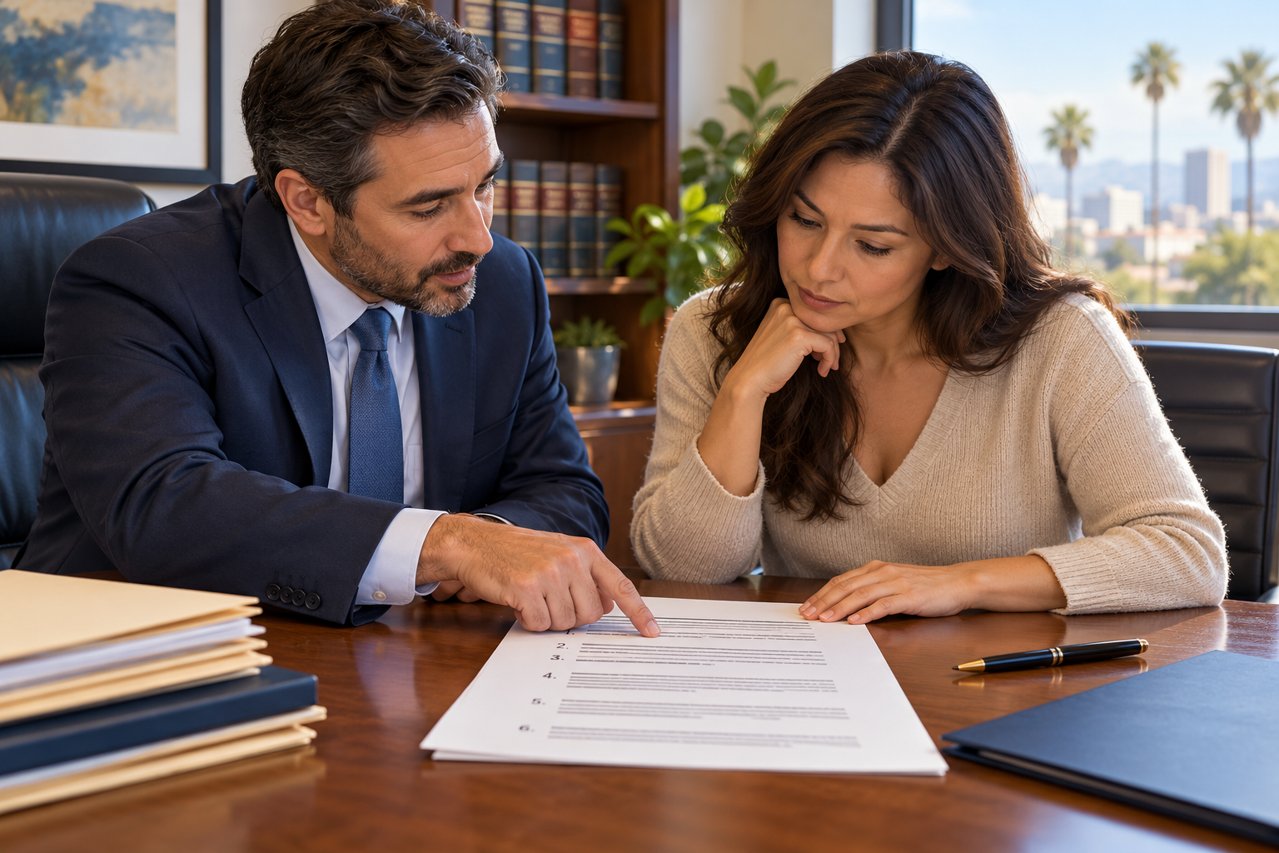
A request may concern a fact, an opinion applying law to the facts, or whether a document is genuine. Read the wording, defined terms, dates and any referenced exhibit. A statement that seems familiar may include a qualification that changes its meaning.
Keep the original numbering when preparing information for your lawyer. Write down what you know, what records support it and what you need to check. If a request refers to a document you cannot locate, identify that problem promptly rather than assuming what the document says.
Accuracy matters more than a preferred result
Do not admit a statement merely because you feel pressured to finish, and do not deny a true statement because you think it helps your position. Explain the facts to counsel candidly, including information that appears unfavorable. A response should address the actual request.
Sometimes only part of a statement is true. Explain which portion you can confirm and which portion is inaccurate or uncertain. Your attorney can determine how to frame a qualified answer. Broad assumptions and argumentative narratives can obscure the information needed for a precise response.
Uncertainty requires more than a guess
Tell your attorney whether you lack a memory, lack a record or have conflicting information. These are different problems. Reasonably available information may need review before a response states that there is insufficient knowledge to admit or deny a matter.
Make a list of useful sources: photographs, correspondence, calendars, bills and people who may know the facts. Preserve the material and identify gaps. Do not contact opposing parties or obtain protected information on your own; let your attorney direct appropriate investigation.
Let counsel evaluate objections and legal consequences
Unclear wording, legal issues or other problems should be brought to your lawyer’s attention. Copying a generic list of objections is not a substitute for reviewing a particular request. An objection may not eliminate the need to address an unobjectionable portion.
The California Courts guide to responding to requests for admission provides general procedural information. Represented clients should follow their lawyer’s case-specific instructions. The video and this article do not decide which response is proper for your individual request.
Return your information early
Send the complete request and any service information to your attorney immediately. Confirm the date by which the office needs your draft information. The time needed for review, follow-up questions, verification and service makes waiting until the last day risky.
Read the final responses carefully before signing any verification. Tell counsel about mistakes or missing information before the responses are served. Admissions can have serious consequences, and a failure to respond can lead to court proceedings affecting the case. Never assume silence is a safe response.
Keep a copy of what you send to the office and remain available for follow-up. Careful cooperation helps counsel prepare answers grounded in the facts rather than rushed recollection.
General information, not legal advice. Viewing this article does not create an attorney-client relationship or replace advice from counsel handling your case.
 About Attorney Norman Gregory Fernandez