


Being seriously injured and having a provable personal injury case are related questions, but they are not the same question. When someone asks whether an attorney will take a case, a careful answer often begins with a review of the facts. In this video, attorney Norman Gregory Fernandez explains five considerations that can shape that review.
1. Who may be legally responsible?
The first issue is liability: what happened, who was involved and what conduct may have caused the incident? An injury alone does not identify a responsible defendant. A collision, fall or product failure may require a different investigation, and more than one person or business may have played a role.
Describe the event in your own words. Separate what you observed from what someone later told you. If your own conduct may be questioned, include that information. A useful consultation considers difficult facts as well as favorable ones.
2. What evidence can establish the facts?
Photographs, video, witness information, reports and documents can help test an initial account. Sometimes the strongest evidence has not yet been located. A witness may come forward, or records may identify a condition or party that was not obvious at the scene.
Bring what you have and identify what might exist. Save originals and complete communications. Do not alter files, delete material you think is unfavorable or try to obtain evidence by entering restricted property. Prompt review can help identify preservation steps.
3. What harm can be connected to this incident?
An attorney will need to understand the injuries, treatment and effect on daily activities and work. Medical records and an accurate history help assess the connection between the incident and the claimed harm. Prior symptoms or another accident do not belong outside the discussion.
Keep bills, appointment information and documentation of missed work. Avoid assigning a case value from a social media story or a simple multiplier. The facts and available proof can differ substantially from another person’s experience.
4. What insurance might apply?
Insurance can be an important practical consideration, but a policy’s existence does not establish coverage for every claim. The insured parties, policy terms, incident facts and other coverage sources may need review. Give counsel the letters and policy information available to you rather than relying on a verbal summary.
Do not assume the first coverage statement ends the investigation. At the same time, the possibility of additional insurance is something to investigate, not a promise that more coverage will be found.
5. Is there a realistic path to collection?
A judgment and the ability to collect it are different matters. Where insurance is limited or absent, collectability can affect whether litigation is practical. Investigation costs and the work needed to prove the case also matter to an attorney considering representation.
An initial “maybe” can be an honest answer while important information remains missing. A firm’s decision does not by itself establish the legal merits or resolve a deadline. Ask what the firm has agreed to do, whether further information is needed and whether representation has actually been accepted in writing.
General information, not legal advice. Each matter depends on its facts and applicable law. Viewing this article does not create an attorney-client relationship.
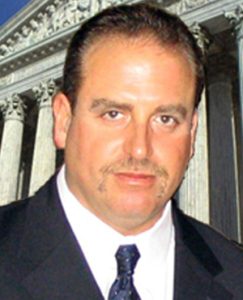 About Attorney Norman Gregory Fernandez