
After a serious bus or train injury, do not assume the only deadline is the ordinary deadline for filing a personal injury lawsuit. Public transit may involve a government entity and a separate claim-presentation process. In this video, attorney Norman Gregory Fernandez explains why identifying the responsible parties early can be important.
Identify who operated the service
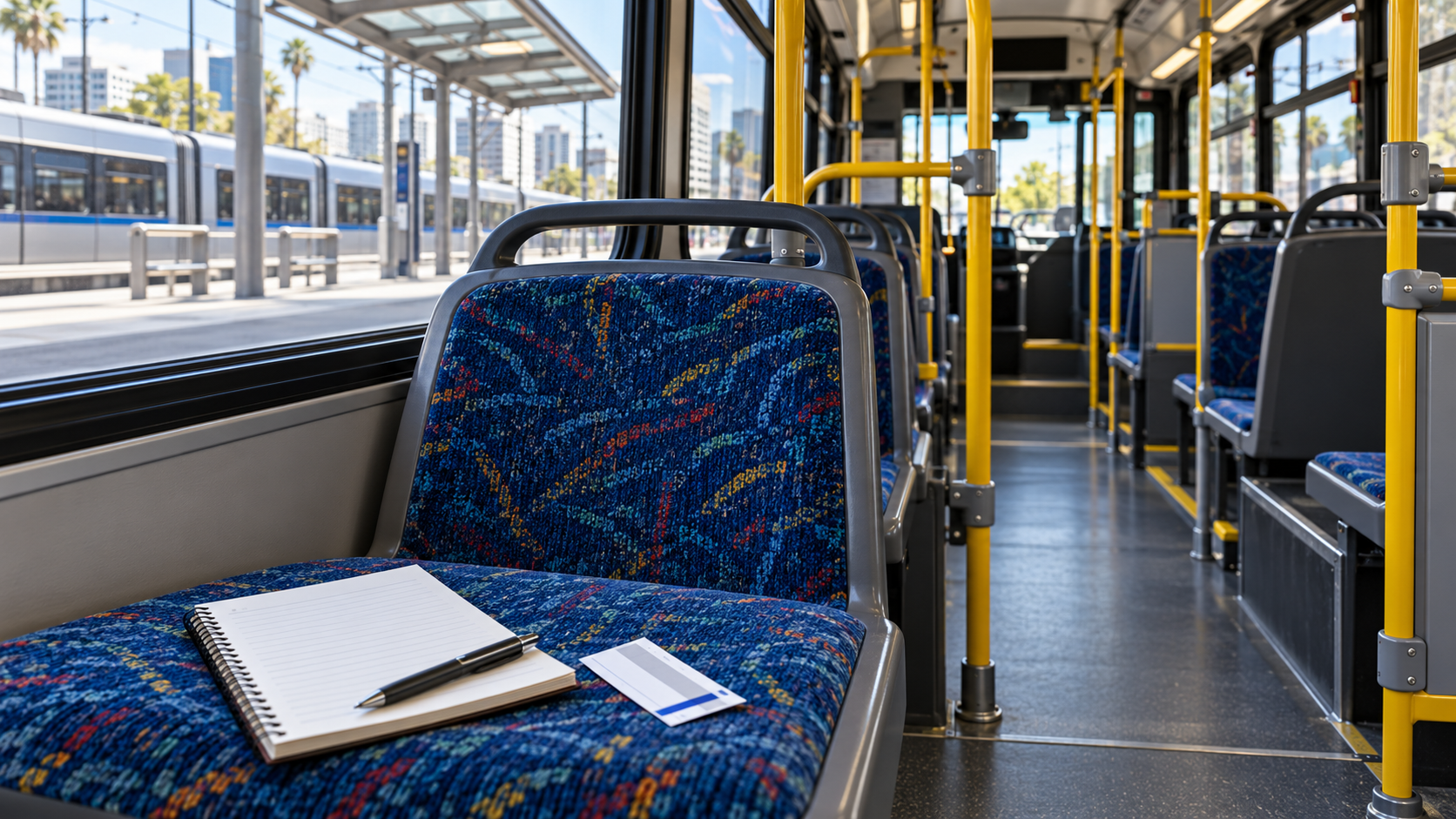
Save the route, vehicle number, direction of travel, date, time and exact location. Keep tickets, fare receipts or relevant trip information. The name on a bus or station may help begin the investigation, but the proper legal entity and any contractor must still be verified.
A transit authority, city, county, regional agency or private business may be involved. Different parties can have different roles. Do not assume that notifying one employee or insurer satisfies every procedural requirement.
A government claim is separate from a lawsuit
For many California personal injury claims against public entities, a government claim generally must be presented within six months after accrual. A complaint to customer service or an incident report may not meet that requirement. The California Courts government-claim guide explains the distinction.
Additional deadlines can apply after the entity responds. Exceptions and possible late-claim procedures depend on the circumstances. Have the actual dates and notices reviewed promptly rather than waiting for treatment to end or assuming an insurance discussion extends time.
Preserve details before recordings disappear
Tell your attorney about onboard cameras, station recordings, nearby businesses and witnesses. Video may show the incident, the vehicle’s movements or the condition of a platform. It may also show facts that do not support a claim. The full context matters.
Operator information, incident reports, maintenance records and vehicle or electronic data may be relevant depending on what happened. A preservation request does not guarantee that particular evidence exists or will be produced voluntarily. Avoid entering restricted transit areas to investigate.
Describe the movement and injury accurately
If a sudden stop or movement caused an injury, record where you were sitting or standing, what you were holding and what you observed. Distinguish personal observations from assumptions about speed or the operator’s reasons. A passenger injury alone does not resolve negligence or causation.
Seek appropriate medical attention and keep treatment records, bills, photographs and work-loss information. Save communications with the transit agency and insurer, including the complete notice and envelope if you receive a claim response.
Bring the timeline to a consultation
A useful review starts with the incident date, service name, vehicle or route details, medical information and every notice received. Prompt investigation helps identify both the evidence and the procedures that may apply. Do not wait until a deadline you have estimated on your own is close.
General information, not legal advice. Each matter depends on its facts and applicable law. Viewing this article does not create an attorney-client relationship.

Get Help Now
Work directly with an experienced California personal injury attorney. Call 800-816-1529 for a free consultation about a serious California injury.
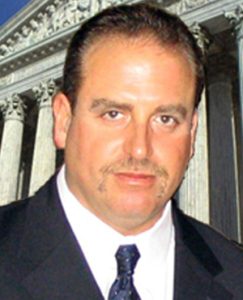 About Attorney Norman Gregory Fernandez