
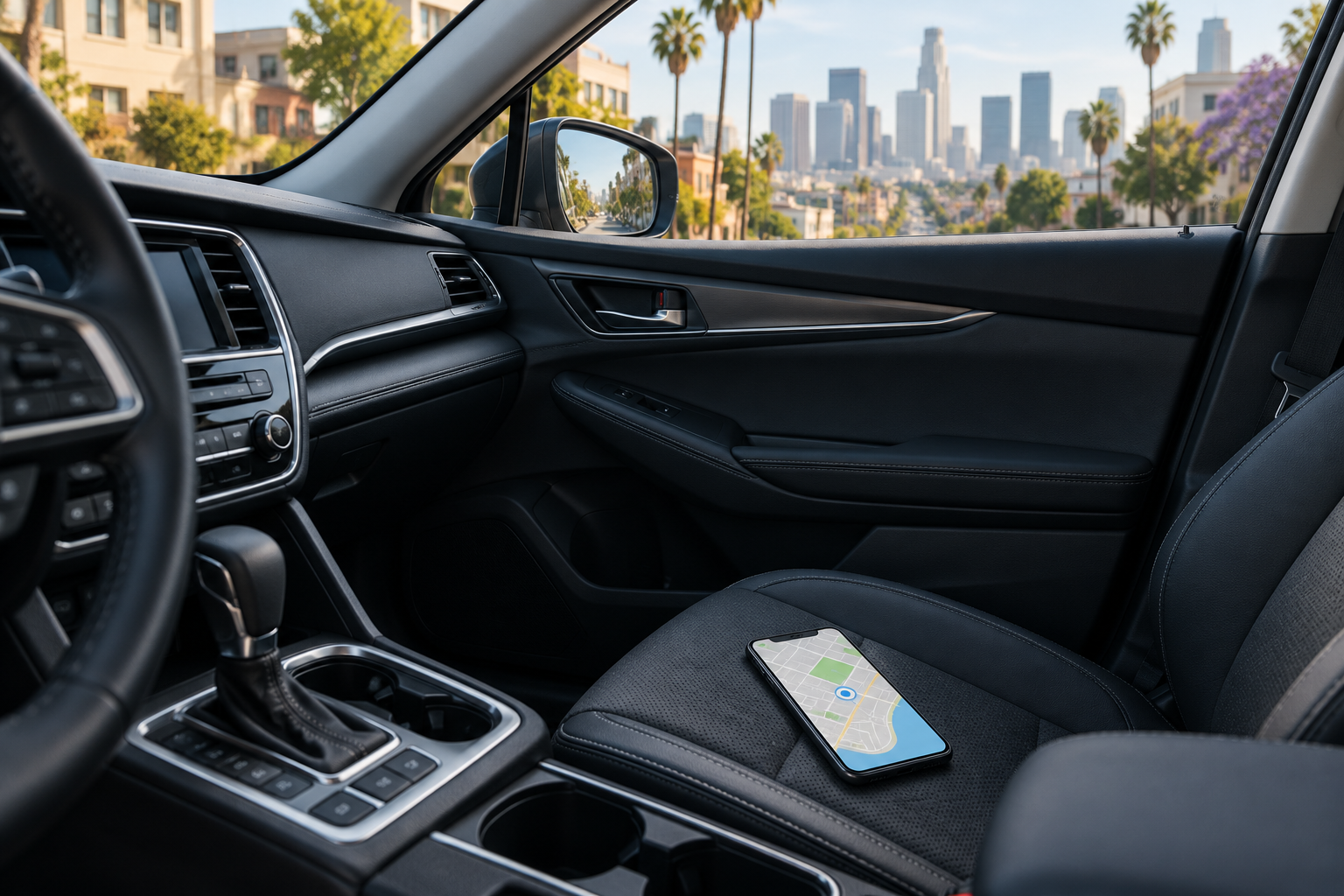
An Uber or Lyft accident in California raises an important timing question: what was the driver doing in the app when the collision happened? The answer can affect the insurance investigation. A rideshare decal or the driver’s description alone may not establish which coverage applies.
In this video, attorney Norman Gregory Fernandez explains why trip and app information should be preserved after a rideshare collision.
Identify the driver’s activity at the time
A driver may have been offline, available for a request, traveling to pick up a passenger or carrying someone on a trip. Those situations should not be assumed to involve identical insurance arrangements. The California Public Utilities Commission describes distinct periods for transportation network company service in its TNC insurance requirements.
An attorney should examine the evidence and applicable policies for the collision date. Do not assume that a general online description of coverage guarantees payment in your case.
Save trip information and communications
If you were a passenger, keep your booking confirmation, receipt, driver profile and trip details. Preserve screenshots and communications in their original form. Note the approximate time and location of the impact and whether the trip appeared to be active.
If you were in another vehicle, walking or cycling, save the driver’s identifying information, vehicle photographs, insurance details and any statement you actually heard about the trip. You may not be able to see the driver’s account, but you can tell your attorney what information is available.
App status does not decide fault
Insurance questions and responsibility for the crash require separate review. Photographs, witnesses, traffic controls, vehicle damage and reports can help explain how the collision occurred. The presence of a rideshare vehicle does not establish that its driver was negligent.
Describe your own actions and observations accurately. Do not guess about speed, distraction or what was displayed on a phone you could not see. Tell your attorney about other vehicles and possible camera locations.
Report the collision and keep records
Preserve copies of reports you submit and responses from the platform or insurers. Notify your own insurer as required by your policy and discuss requests for statements or documents with your attorney. Different insurers may be investigating different coverage or liability issues.
Do not delete app messages, alter screenshots or discard correspondence because you believe an issue has been resolved. A record of who said what and when may help clarify a disputed timeline.
Document the injury claim too
Seek appropriate care and keep medical records, bills and evidence of missed work. Before signing a settlement release, evaluate the injuries, anticipated treatment, available coverage and any reimbursement obligations. A coverage limit is not the same as a promised settlement amount.
Our office offers a free consultation about California rideshare injuries. We can discuss the collision evidence and the information needed to investigate app status and insurance.
General information, not legal advice. Coverage depends on the facts, applicable law and policy terms. Viewing this article does not create an attorney-client relationship.

Get Help Now
Work directly with an experienced California personal injury attorney. The Law Office of Norman Gregory Fernandez & Associates represents injured people statewide. Norman Gregory Fernandez has practiced law since 1997. Call 800-816-1529 for a free consultation or contact our office.
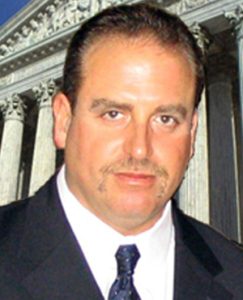 About Attorney Norman Gregory Fernandez