

California Trip and Fall Lawyer
Trip and fall accidents are a common cause of serious injury throughout California and often happen in everyday places—stores, sidewalks, apartment complexes, parking areas, workplaces, and public buildings.
What looks like a “simple fall” can lead to fractures, head injuries, spinal trauma, and lasting pain that affects work, family, and daily life.
This page explains how California trip and fall claims work, how they differ from slip-and-fall cases, what evidence matters most, and what injured people should know before dealing with an insurance company.
Trip-and-Fall Cases Often Come Down to Proof
A trip and fall claim is a type of premises liability case. The key question is usually whether a property owner, manager, or business failed to keep the premises reasonably safe—or failed to warn about a dangerous condition that wasn’t obvious. In many cases, the most important issues are how the hazard was created, how long it existed, and whether reasonable inspection and maintenance would have prevented the injury.
If you were injured, early documentation is critical. Photos, incident reports, witness information, and medical records often make the difference between a strong claim and a claim that becomes a “your word versus theirs” dispute.

What Makes a Trip-and-Fall Different From a Slip-and-Fall?
Slip-and-fall cases often involve a loss of traction on a wet, slick, or contaminated surface. Trip-and-fall cases, by contrast, are frequently caused by elevation changes, uneven surfaces, objects in walkways, broken pavement, or poorly maintained flooring. The legal framework is similar, but the evidence and defenses are often different. Understanding the difference helps frame the correct investigation and the right legal theory.
How California Law Treats Trip and Fall Accidents
In California, property owners and those who control property generally have a duty to use reasonable care to keep their premises in a safe condition. When a dangerous condition causes a trip and fall injury, responsibility may depend on whether the hazard was foreseeable, whether reasonable inspections were performed, and whether repairs or warnings were provided within a reasonable time.
Trip and fall cases can arise in many settings—from grocery stores and restaurants to apartment complexes and public walkways. The specific facts matter, including lighting, visibility, foot traffic, maintenance practices, and whether the hazard violated applicable safety standards.
Common Causes of Trip and Fall Accidents
Trip and fall injuries are often caused by hazards that can be fixed or addressed with reasonable maintenance and warnings.
Common examples include:
- Uneven sidewalks, cracked pavement, or raised concrete
- Unexpected changes in elevation, missing or uneven steps, and broken stair nosings
- Loose carpeting, torn mats, curled edges, or unsecured rugs
- Obstructions in aisles or walkways (cords, boxes, merchandise, debris)
- Poor lighting in hallways, parking areas, stairwells, or building entrances
- Construction hazards, temporary barriers, or improperly marked work zones
- Broken flooring, damaged tiles, or uneven transitions between surfaces
Injuries Often Seen in Trip-and-Fall Cases
A trip and fall can cause more than bruises. Many people experience injuries that require significant treatment, time away from work, or long-term care. Common injuries include:
- Fractures and broken bones (wrist, arm, ankle, hip)
- Head injuries and concussions
- Neck and back injuries, including disc injuries
- Shoulder injuries and rotator cuff tears
- Knee injuries, ligament tears, and meniscus damage
- Soft tissue injuries with persistent pain and limitations
Getting prompt medical evaluation is important for your health and to document injuries that may worsen after the incident.
What Must Be Proven in a Trip-and-Fall Claim?
Most trip and fall claims involve proving four core points:
- Dangerous condition: A hazardous condition existed (for example, uneven pavement, a raised threshold, or debris).
- Notice: The property owner knew or should have known about it through reasonable inspection.
- Failure to act: The owner failed to repair it, correct it, or provide adequate warnings.
- Causation and damages: The hazard caused the fall and resulting injuries and losses.
Even when a hazard is “visible,” liability may still exist depending on the total circumstances—such as lighting, foot traffic, the location of the hazard, and whether a reasonable person would anticipate the danger.
Comparative Fault in California Trip-and-Fall Cases
California uses a comparative fault system. Insurance companies often try to shift blame by arguing the injured person was distracted, wearing improper footwear, or should have seen the hazard. Comparative fault does not automatically defeat a claim; it means responsibility may be allocated between the parties based on the evidence.
A careful, evidence-based presentation can help clarify what caused the fall and why the hazard posed an unreasonable risk.
Time Limits and Preserving Evidence
California law imposes time limits on personal injury claims. In addition, claims involving public entities can involve different procedures and shorter notice requirements. Even when a deadline may be longer, waiting can harm a case because surveillance footage can be overwritten, hazards can be repaired, and witnesses can disappear.
If you were injured in a trip and fall, preserving evidence early—photos, footwear, incident reports, witness names, and medical documentation—can protect the strength of your claim.
Trip and Fall Accidents: Questions and Answers
What is the difference between a trip and fall and a slip and fall?
A slip-and-fall usually involves losing traction on a wet or slick surface. A trip-and-fall typically involves catching a foot on an obstacle, uneven surface, or change in elevation. Both can be premises liability cases, but the evidence and defenses often differ.
Do I need to prove the property owner knew about the hazard?
In many cases, the issue is whether the owner knew or should have known about the dangerous condition through reasonable inspection and maintenance. Evidence of how long a hazard existed can be important.
What if the business fixed the hazard after I fell?
Repairs after an incident may not eliminate responsibility. The key issue is what the condition was at the time of the fall and whether reasonable steps were taken beforehand.
What if there were no witnesses?
Lack of witnesses does not automatically prevent a claim. Photos, incident reports, medical records, store policies, maintenance logs, and surveillance footage can still be important evidence.
Can I still have a claim if I did not go to the hospital right away?
Many injuries worsen over time. The most important thing is to get appropriate medical evaluation and document symptoms and limitations as soon as possible.
Talk With a California Lawyer About a Trip and Fall Accident
If you were injured in a trip and fall, understanding your rights and responsibilities under California law is an important first step. A careful review of the facts can help clarify whether a property owner may be legally responsible and what options may be available.
Call (800) 816-1529 or contact us online to discuss a California trip and fall accident. Request a Consultation
A Strong Trip-and-Fall Case Starts With Careful Documentation
Trip and fall claims often rise or fall on details: the exact hazard, lighting and visibility, maintenance practices, and the immediate aftermath of the incident. Taking the right steps early—medical care, documentation, and preservation of evidence—can help protect your ability to pursue a fair result.
If you have questions about a trip and fall injury, our office can review the situation, explain how California law applies, and discuss what information may be helpful to evaluate the claim.
Discuss a California Trip and Fall Injury Claim
If you were injured in a trip and fall accident on commercial, residential, or public property, it is important to understand how California law applies to your situation. Liability, notice, and evidence issues can affect whether compensation may be available.
A careful review of the facts can help determine whether a property owner or other responsible
party may be held accountable for unsafe walking conditions.
Contact Us Quickly
For a free Consultation
Or Call our 24 hour helpline NOW!
800-816-1529
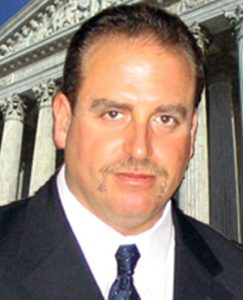 About Attorney Norman Gregory Fernandez
- California personal injury lawyer and trial attorney
- Military veteran and advocate for injured victims
- Nearly 30 years of experience representing clients statewide
Virtual Case Signup & Processing
We can sign you up in minutes from your smartphone, laptop, desktop, or tablet anywhere in the world. No travel required. Your entire case
can be processed virtually through email, phone, video, and our online portal.
98% of cases are settled without you ever having to go to court.
No Recovery – No Fee Guaranteed
You never pay any fees unless we recover compensation for you in your California personal injury case.
Get Medical Treatment Even If You Don’t Have Insurance
In most cases, we can help you obtain medical treatment even if you do not have health insurance. Call for details at 800-816-1529.
About Our Law Firm
Watch our short intro video to learn how we help California injury victims.
10.0 - The Highest possible Avvo Rating
Recognized for excellence in legal ability & ethical standards.
California Accident App
(AI-Powered)
Get instant legal answers using our California Accident App for Apple or Android devices.
Click here to learn more »
Related California Personal Injury Practice Areas
Trip and fall accidents are closely related to other premises liability and serious injury cases. The following California practice areas provide additional legal information that may apply depending on the conditions and location involved.
Major California Trip and Fall Lawyer Cities
Trip and fall injuries occur throughout California on commercial, residential, and public property. Select a major city below to learn more about trip and fall claims involving uneven surfaces, walking hazards, and unsafe property conditions.
California Trip and Fall Lawyer Pages by City
Browse trip and fall lawyer pages for cities throughout California. These pages address injuries caused by uneven surfaces, walking hazards, unmarked elevation changes, and unsafe property conditions.