

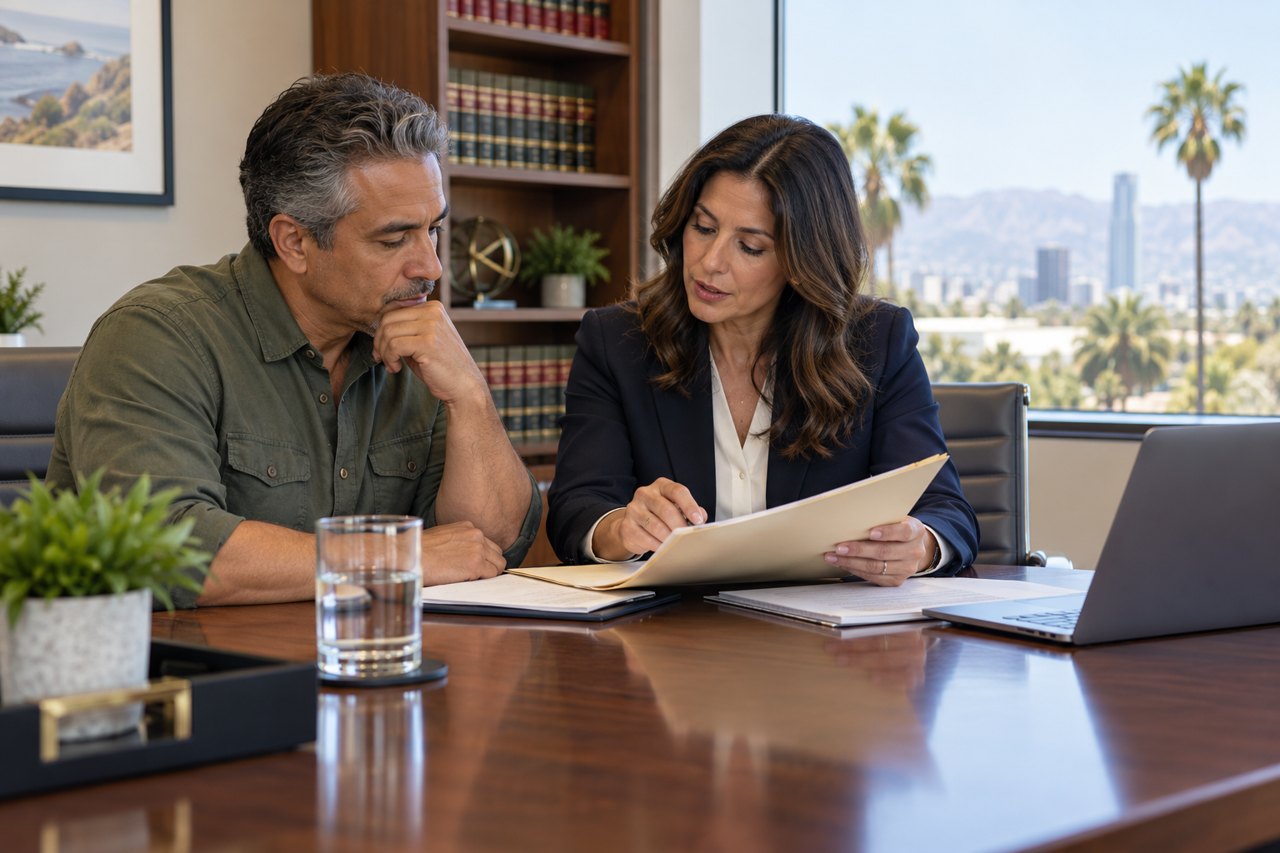
A deposition is an important part of many California injury lawsuits. Preparation can help you understand the process, locate requested records and answer questions accurately. In this video, attorney Norman Gregory Fernandez discusses deposition preparation for injury clients, including the notice, document demands and practical habits for truthful testimony.
Know what a deposition is
A deposition involves sworn testimony outside the courtroom. Lawyers ask questions and a court reporter records the answers. The testimony can affect how the parties evaluate the case and may be used later in the litigation. Treat the process seriously even when the setting feels less formal than court.
The California Courts overview of civil discovery explains that depositions are one method of obtaining information before trial. Your own attorney can explain the notice and procedures that apply to your particular lawsuit.
Read the notice with your attorney
Confirm the date, start time, location and whether the deposition will occur remotely. Ask how long to set aside and when to meet with counsel beforehand. Tell the office promptly about scheduling conflicts, language needs or health limitations that may require planning.
A notice may include a demand for documents. Send the entire notice and attachments to counsel. Do not assume that gathering the requested material and deciding what must be produced are the same task. Your attorney needs time to review responsiveness, privacy and any other legal issue.
Gather records without changing them
Follow the office’s instructions about documents, photographs, messages or other material. Preserve originals and provide complete records where possible. Do not delete unfavorable information, rewrite old notes or create a version that hides the original context.
Tell counsel where additional information might be located and explain anything you cannot find. Keep the requested materials organized. Avoid bringing an unreviewed collection to the deposition or independently forwarding potentially protected communications to the other side.
Review facts rather than rehearse a story
Before the preparation meeting, think through the incident, treatment and the effects of the injury. Review materials your lawyer identifies, and discuss prior injuries or other difficult facts candidly. The goal is accurate recall, not memorizing a script.
Separate what you personally observed from what you learned later. If records conflict with your memory, tell counsel. Do not replace an uncertain memory with a confident statement simply because you think certainty will make the case stronger.
Listen, pause and answer accurately
Let the question finish before speaking. Ask for clarification when you do not understand a word, assumption or time period. Answer the question asked in your own words. Avoid guessing about a fact you do not know, and explain when an answer is an estimate.
Speak clearly so the court reporter can record your answer; a nod may not create a clear written record. Follow your lawyer’s guidance when an objection is made. If you realize an answer was mistaken, raise the issue promptly so counsel can address it appropriately.
Plan for breaks and remote logistics
Discuss breaks, medication, pain or fatigue with your attorney beforehand. For a remote deposition, check the connection, camera and microphone, and use a quiet private setting. Ask counsel what materials may be present and how documents will be shown during testimony.
Do not rely on off-camera coaching or messages while answering. Stay focused on the question and tell the truth. Preparation is most useful when it helps you understand the process and communicate facts honestly.
General information, not legal advice. Viewing this article does not create an attorney-client relationship or replace advice from your own counsel.

 About Attorney Norman Gregory Fernandez