
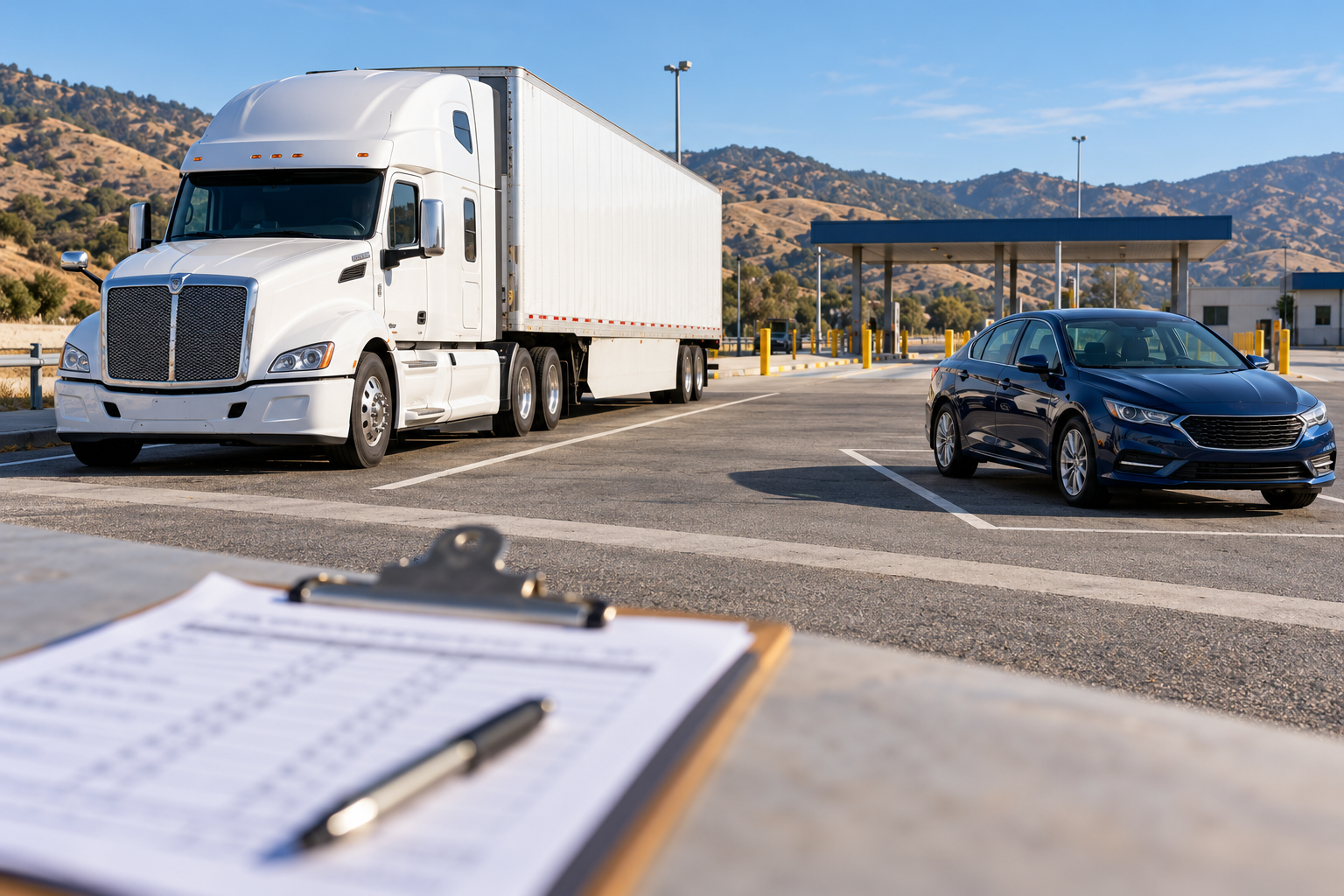
Truck accident claims in California can require a broader investigation than a collision between two private cars. The size of the vehicle is only part of the difference. A commercial truck may involve an employer, separate equipment owners, maintenance businesses and records that are not available at the roadside.
In this video, attorney Norman Gregory Fernandez discusses why the investigation may need to look beyond the driver.
Identify the people and businesses involved
The name on the trailer may not identify every relevant business. The tractor, trailer and cargo can involve different arrangements. Preserve photographs of vehicle markings, license plates, unit numbers and any company or USDOT information that you can safely obtain.
An attorney may investigate who employed or directed the driver, who controlled the equipment and what work was being performed. A company’s connection to the shipment does not automatically establish liability. Its role and conduct must be examined.
Company records may help explain the collision
Depending on the facts, useful records may include inspection and repair documents, driver qualification information, dispatch communications and records concerning the trip. These can help test explanations about the vehicle’s condition or the sequence of events.
For example, an allegation involving brakes calls for a different investigation from a dispute about a lane change. The goal is to identify evidence relevant to the actual collision, rather than assuming every trucking case involves the same problem.
Electronic information needs early attention
A truck may have electronic logging information, location data, onboard cameras or other vehicle information. Different systems record different things. Not every truck has every system, and the existence of data does not establish what it will show.
Tell your attorney about possible video or electronic sources promptly so appropriate preservation steps can be considered. Do not attempt to access another person’s devices or company systems yourself. The FMCSA’s electronic logging device information provides background on one category of commercial driving records.
Preserve ordinary crash evidence too
Photographs, witness information, the collision report and your own accurate recollection remain important. Save dashcam files in their original form. Note the location, traffic, weather and any statements you actually heard, without guessing about speed or technical failures.
Seek appropriate treatment and keep documentation of injuries, medical expenses, missed work and other losses. Commercial involvement does not remove the need to prove that the collision caused the injuries being claimed.
Insurance and responsibility require separate analysis
A commercial vehicle may involve coverage arrangements that differ from a personal auto policy. The available policies, insured parties, limits and exclusions need investigation. A large truck does not guarantee a large recovery, and the value of a claim cannot be determined from the type of vehicle alone.
Before accepting payment or signing a release, consider whether the relevant parties and coverage have been identified and whether future care and other obligations have been evaluated. Bring settlement paperwork and insurance correspondence to your attorney.
Discuss the investigation early
Our office offers a free consultation about California commercial-truck injuries. We can discuss the collision, the evidence you have and the additional questions that may need attention.
General information, not legal advice. Every case depends on its facts, applicable law and coverage. Viewing this article does not create an attorney-client relationship.
Get Help Now
Work directly with an experienced California personal injury attorney. The Law Office of Norman Gregory Fernandez & Associates represents injured people statewide. Norman Gregory Fernandez has practiced law since 1997. Call 800-816-1529 for a free consultation or contact our office.
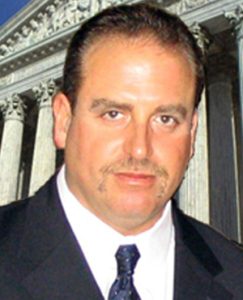 About Attorney Norman Gregory Fernandez