

The other driver says, “I’m sorry.” That may feel like an admission, but it does not automatically establish legal responsibility for a California collision. The exact words, context and independent evidence matter.
In this video, attorney Norman Gregory Fernandez explains why an apology should not replace a thorough investigation of the crash.
Sympathy and a statement of fault are different
California Evidence Code section 1160 generally excludes qualifying expressions of sympathy about accident-related pain, suffering or death as admissions of liability in a civil action. It does not extend that protection to a statement of fault included with the expression. The distinction requires attention to what was actually said.
“I’m sorry you are hurt” is different from a statement describing running a red light. Neither example tells you what a court will decide in a particular case. An attorney can assess relevance, admissibility and the surrounding evidence.
Record an accurate account
Write down the words you remember and who heard them. Separate a direct quotation from your interpretation. Do not turn “Are you okay?” into an admission or add details you cannot recall. Keep any existing messages in their original form. Do not attempt to obtain a new secret recording without advice about California recording law.
Preserve the physical evidence
Photograph vehicle positions when safe, damage, traffic controls, road conditions and the surrounding area. Get witness contact information and identify possible camera locations. Preserve dashcam footage promptly. A collision report, photographs and witness observations may support or contradict different versions of events.
The point of gathering evidence is to understand what happened. Do not stage the scene, edit a recording misleadingly or ask witnesses to change their account.
An insurer may still dispute responsibility
A driver’s comments do not necessarily bind an insurance company to accept every claimed loss. The insurer may contest causation, comparative fault, coverage or damages. Report the incident as your own policy requires and send your attorney correspondence from the other insurer.
Discuss the whole claim before settling
Bring the driver’s exact statement, witness details, photos and medical information to a consultation. Avoid assuming that an apology means an easy settlement or that the absence of an apology defeats a claim. Responsibility and compensation should be evaluated using the full record.
General information, not legal advice. Every case depends on its facts. No result is guaranteed. An attorney-client relationship requires an agreed engagement.
Get Help Now
Work directly with an experienced California personal injury attorney. The Law Office of Norman Gregory Fernandez & Associates represents injured people statewide. Norman Gregory Fernandez has practiced law since 1997. Call 800-816-1529 for a free consultation or contact our office.
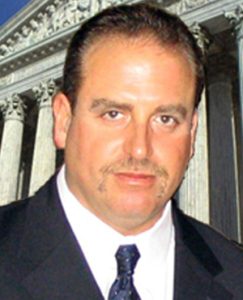 About Attorney Norman Gregory Fernandez